Travis Cook discusses how AI is reshaping software development, his experience building SolutionStream into a 125-person Inc. 5000 dev shop, pivoting into blockchain with Nerd United, and his angel investing philosophy across dozens of startups.
Travis Cook co-founded SolutionStream, a custom software development firm in Lehi, Utah that grew to 125 employees and landed on the Inc. 5000 and Utah Fast 50, building systems for Vivint, Intermountain Healthcare, and Adobe. He later co-founded Nerd United, scaling a 90+ person web3 dev team in 90 days. Also CEO of Todo, a productivity app with nearly 100M tasks tracked across 150+ countries.
Show full transcript
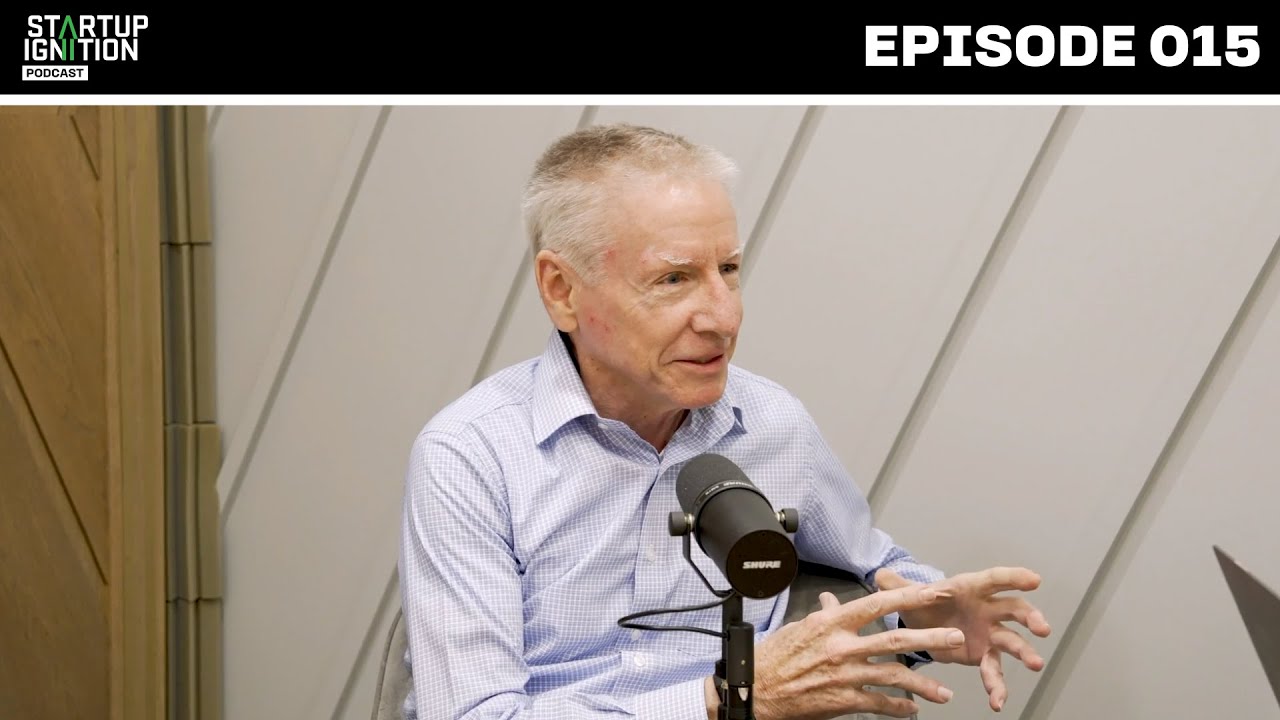
Do not set yourself up for failure. Within every equal partnership's formation is the seeds of its own destruction. I know it's the hardest thing in the world, but the earlier you have the conversation, the better. And I I've done it 50 times probably where I've looked at a team of three and I said, "This is never going to work like this. The three of you need to go sit down in a room and decide who who's the leader. Who is actually the leader?" And by the way, you already know. Yeah. You just haven't said it to each other. Who is the leader? and then that person is going to own more of the stock than the others. It has to be that way. And he stops and he looks at me and he goes, "You really don't understand, do you?" He said, "Do you know that GE has $6 billion of free cash flow a year and we have to deploy that someplace? You solved the problem for me?" Yeah. And I went, "Yeah, every investor who's out there is looking to deploy money." Yeah. If you have a good company that can take his money and put it to use, you're solving a problem for the investor. Yes. So, quit worrying about trying to solve your problem and go out there with confidence and realize that you're actually solving a problem for them. Rock. Welcome back to the Startup Ignition podcast. Thank you so much for watching and listening. I'm Tyler Richards. This is John Richards. We are your co-hosts. Thank you so much for listening to all the episodes. But today we have a very special guest who we've been trying to get on the podcast for a little bit here and he's been around us for a long long long time. Probably someone that I met through you because you were interacting with him when I was still probably in middle school. And not to age anybody here at the table, but today we are joined by Craig Ernshaw. And I have a bio for you Craig. And I hope hopefully you took a look at it because I don't want to mess this thing up at all. But you are a very seasoned entrepreneur. You started a company back all the way back in what the 70s or 80s 78 that you ended up selling. It was called LifeLink Corporation and through my dad John told me actually when I was preparing this agenda that you actually rebought it and sold it again and had a couple of iterations at and go at that company. But you are a obviously very uh tenured entrepreneur. You are uh a founding member of the Park City Angels which came to claim and very famous throughout the early 2000s 2010 investing in a ton of startups here in Utah. You are a adjunct professor at BYU uh which I've been invited to to to to cover your class a few times which is one of the best classes I think on campus which you have which you're in charge of. Um, you have a rich history in Utah startup ecosystem, not just through investing, but also mentoring and all the companies that you've been involved with. So, we could go on forever about that. He's a legend. Also, you left at Utah Angels, which is where we really got to know each other. Oh, yeah. That's where you guys actually met. He was he was both Park City Angels and Utah Angels simultaneously. And what what weren't you didn't you guys get to know each other? BYU founders for the founders group and everything. And you guys have probably met at Utah Angels. Yeah, Utah Angels. we met, but also we were involved as BYU founders together and we've traveled the world together. Yeah. Yeah. Well, so thank you for coming on. We're super excited to have you. I'm excited to jump into your background because I actually don't know a ton about your history and that that corporation and that selling and rebying and selling again of that company. I'm really interested to hear that story. But before we get into it, I don't know if you've watched any of our episodes on the podcast, but we do this is episode 15, I think, right? Yeah, this is episode 15. Yeah, 15. A podcast is is is fun, but man, it's a it's a lot of work. People just don't understand, right? But it's fun, but because we get to talk and have conversations like this, but also every podcast episode, we do an icebreaker, which is just we take like 3 to five minutes and do something for fun to just kick off the episode and then we'll get into the agenda and everything that we want. That's the part I'm I'm most afraid of. But go ahead. So, it's really fun. We usually just do simple little games and today we're going to play a one-word answer game. So, I'm going to ask you questions and I want one word to answer both of us playing. Yeah, you both complain. Is that okay? No psychiatrist will be watching. Yeah. No. And if there's anything crazy, we're going to leave it in, but we're going to tell them we we're going to edit it out. No, just kidding. But no, we're going to do a quick icebreaker. So, to kick it off, I'm going to give you each a question, and I want Craig and John to to respond with one word. Okay? Okay. So, here we go. It's startup centric, so don't get too frightened here. It's not It's gonna be easy. What's the most critical trait in a startup founder? One word. Tenacity. Tenacity. Passion. Passion. Love it. Okay. Preferred investment stage. Earliest. Earlier the better. Very, very early. Preed. Preede. Yeah. Angel. Family and friends. Yeah. Let me make a comment on this question because it's a this is supposed to be one word answers. It is. But that is preede. But I just want to say that Craig and I in the angel groups we've been involved in and all the venture investing we've been done over the years, we two have really stayed at the earliest stages. There's very few that stay. Most angel investors that do early stage start going, "Well, I lost my money there. That sucks. I'm going to go later stage and get less risk." But I view it and I think Craig views it is but the bang for the buck is great early on. I mean, you invest early and if you do it right and you're good at it and you mentor Who wants a Who wants a 10x? Yeah. Yeah. Or a 3x, right? That's what you mean. Like I I view it this when you do series A and B investing, you're going to get like a three or 4x maybe. And And it's it's boring, isn't it, Craig? Boring. I know. Exactly. You don't want 3x. You like the 20, 40, 60s or 100x. You know, I have a I have a couple of thousand X's, too. Really? Yes. That's You are not getting a 1000X in an A series. No, it's not never going to happen. That's what we want to hear by dad. That is a great question for just bringing up that I look back I tell everybody all the time in Utah really over the last 20 years all the people that helped make Utah what it is from the investment side. Craig and I are probably the only two that have stayed at the earliest stage because they lead to later stages for safety and I don't think it's there. I was going to say what do what do you think sums that reasoning up? Like why do you think a lot of the original Utah Angels and even a lot of the original Exactly. Why? It's it's it's risk. Yeah. It's too risky for them. I've given this talk several times to angel groups and the talk goes like this. Here's why you're not succeeding as an angel. Yeah. Yeah. You came in, you were super excited. You did too many investments. Too too much invested first of all. Yeah. And too many too quick. So you got burned out. Now you're two years into it. None of your deals look good at all. Yeah. You've done 10 and you're quit. You're going to quit. Yeah. Yeah. And my everything I read and and by the way, my experience shows you have to do 20 or 25 deals before you're going to get get lucky, by the way. It's mostly luck. And one of those hits, and by the way, once one of those hits, then you you you can't stop. You will never stop. Yeah. Yeah. But every angel I know almost without fail does 10 or 12 gets discouraged quits and and quits taking swings at the plate. So doesn't have a chance to Yeah. And so they're just burned the rest of their life and that and that I ditto ditto ditto. Okay. Okay. Back to that was a great 1,000word answer. No, but I I wanted a teaching moment after our one-word answer. We both said precede. We can elaborate on the one-word answers. I'm I'm just trying to be funny. Okay. Okay. Next one word answer. Biggest red flag in a pitch. CEO doesn't come to the pitch. That drives me crazy. So no CEO. No CEO at the pitch. The word want to like what? Like give an example. Any any company that says we want to do this and you're not currently if we're not saying we do this. This is who we are. Even if it's even if they're not actually doing it yet, they need to mentally assumptively say they're doing it. They need to mentally own it and be saying this is what we do. Does that does that stem from you're not buying the future of what the company is? You're buying what it is right now or Yeah. I want people 100% bought in people and have a clear path. I teach this in my class. When you when you do your pitch, don't say want. Said this is what we are. This is what we do. Okay. Yeah. I like that. That's good. That's great. Okay, here we go. A few more. Just a few more. Um, best or most interesting industry right now? Well, I'm super scared of AI. You're anti. No, no, I'm I'm not anti at all. I just have no idea how to invest in it because it it's going so fast and so crazy. Um, it changes every week. Yeah. So, what what is Okay. So, what's the most promising or most interesting industry? and he's an investor in our fund and our fund we're the same exact look we don't know if next month today's hot AA company's going to be disintermediated so so it it goes back to SAS SAS yeah if you can put it on AWS and charge a monthly subscription I want to know about DB SAS there you go that's what it is and and it doesn't matter if it's utilizing AI or if AI is being intermingled into it but SAS a subscription software and for me it's VSAs so I like the Little small V in front of the SAS acronym for vertical SAS. I really like vertical SAS. Okay, cool. Cool. Okay. Uh primary reason startup a startup fails. Product market fit. PMF. Premature scaling which means you start doing scaling activity before product market fit. Yeah. Yep. So they don't have PMF. They don't have product. Statistically proven. Yeah. Okay. One. Okay. This is the last one. One word to describe your investment philosophy. One word. Early. Early. I mean, still I would stick with that. I I really Yeah. Earliest. Earliest. Earliest. I want to be talking to them. That would be mine, too. But I'll do a different word and say consistent. So, consistently early would be good. Yeah. Or even just consistently investing in what works. What's what Craig shared those nuggets of wisdom. Matter of fact, I I want to since you said that was the last one, I'll just add on we we'll maybe have a chance to talk about it. Craig's the same way. I have entrepreneurs that come to me after they get liquid from an exit. And they go, "Hey, you taught me how to be an entrepreneur. You helped me get here." And now I'm getting attacked for investing in other entrepreneurs. You know, that happens commonly. And they go, "You got to teach me how to be an angel investor." And I have a four-page document I prepared because I had to do that so much to people. And I said, "It's called Angel Investing: How Not to Get Screwed. And then and and that's the name of the document and it's because there's little ways and what you can do and how h how you approach it which is very consistent with what you shared earlier that they have to learn. Angel investing is different than being an entrepreneur. Y and it's a different skill set and that's why most new angel investors are coming off a liquidity event or wealth event and their first year they lose a lot of money. Like John Pastana was on earlier and John Pastana lost 10 million his first year being an angel investor that because he and he got burned from it just like you said like about that. He's like I don't do it anymore. He's like I can't do it anymore. I don't have the stomach anymore. Yeah. So it's Yeah, it is. So I do want to jump into both of your actual philosophies and talk a little bit more about angel investing. But before we do that, I want to jump into the to your history a little bit more and just talk about, you know, what you did and how you got to where you are and to become even an angel investor. It's like so what was that company in 1978? What did it do? And or if wherever you want to start, do you want to go earlier than that? Yeah. Uh no, I I I'll try to do as quickly as possible because but it is important to kind of understand how this all happened. Of course. So I'm CS graduate of BYU 1977. I'm I'm a programmer. That's cool. I did not know that. And I did not want to be a programmer, but I graduated with CS. Why? How did you get into that? Well, I I just had decided I wanted to be a businessman. Yeah. So, I And by the way, anybody who wants to be a businessman should get a technical background, undergrad, undergrad degree, and then maybe get an MBA or not. I never got an MBA. I I wanted to. I applied to Harvard twice. I don't know what their problem is. I've I've um spoken a lot at BYU and taught there and I've I've thought maybe someday Harvard will reach out, ask me to speak at Harvard for some reason or another and I'll get to turn them down. Yes, there you go. But that hasn't happened yet. Anyway, graduated and I was looking for a job. I went to the placement center and I saw a job that said financial consulting starting salary to 30,000 a year. This is in 77. sounded pretty good to me because IBM had offered me 13,000 to be a programmer. So, I know I know it's a dark age. I graduated from BYU 50 years ago almost. Oh my god. It's uh it's terrible. Is that 50 years ago? 77. That's like yesterday. I even hate to say that stuff. In fact, I when I introduce myself to my class every semester, I say now that I've said that, if all of you get up and walk out, I don't blame you a bit. you you know that's what this generation loves though that was the first Star Wars movie. What 78 or 77? Yeah. Yeah. Anyway, so I um I got I took a job which I thought was financial consulting but actually was selling life insurance for beneficial life insurance. Okay. And I was the worst life insurance salesman in history. And just before I starved to death, I went to my agency manager and I said, "You know, I can program. If you bought a computer, we're doing stuff. you guys are doing stuff with these rate books that I could put into the computer would be so much better than the way we do stuff. And unbelievably, amazingly, he said yes. He spent $40,000 on a computer to buy a buy two boxes as big as little refrigerators. And that was my computer. And I went to work. The first thing I did was program the estate tax calculation because we all sold estate tax insurance uh at that time. And then I started doing life insurance illustrations. And then I went that's what I end up doing for 25 years. So lifelink became the standard the industry standard for high-end life insurance illustrations. So business uses of life insurance which are split dollar deferred comp. Typical scenarios where you use you sell life insurance to fund business needs. I actually don't even know how much of that's done anymore but it was super popular. They're still, to my knowledge, they're still doing illustrations, right? When you get a a a presentation from a life insurance salesman and they do it, they always come back with multiple illustrations. No, definitely. No, my my system is still these standards. Still standard. Okay. Yeah. 20 years after, is it 20 years since I sold my company? 04. Yeah. I've It's 20 years since I sold my company. Yeah. 21. And it's still the standard. I just I just took the very first employee I hired is just retired from my company. Wow. Oh, he's he worked there his whole life and I took him to lunch and we were talking cuz I haven't had anything to do with the companies since I sold it. Did you build that here in Utah then? Well, I built it in Southern California. Then we moved here to Park City in '92. Okay. But um the well anyway I was I was glad to hear and actually surprised but glad glad to hear that it's still the standard that nobody there's there's competitors but nobody's knocked us off as being the the standard. So we're we're in use by 40 of the top 50 life insurance companies. Entrepreneurs listen to this. Hey, you want to disrupt something? Go disrupt Craig's old business. There you go. Well, what's interesting is that they've tried. we've had um and there's a bunch of anyway we won't get into all that. So um I start two years after he bought the computer. I'm still inside the one agency work basically working for them but I it's getting bigger than that and I I go to him and I say um I'd like to actually buy the computer from you. I'll give you free use of it because you've got me started and everything, but I I'm going to set up outside of the agency so I can sell to other agencies. And amazingly, incredibly, he shouldn't have. He said yes. Wow. And so he gave me terms. I didn't have any money. He gave me terms. I I moved the computer to an office and u I was all by myself. Just all by myself. Yeah. And about a year later, I hired that guy that I mentioned. I uh and started growing the company and just selling to agencies. And the reason that I mentor is because I never had a mentor. Yeah. I had no clue what I was doing. All I knew was that I couldn't sell life insurance. And I had now two kids and probably third one on the way. Well, anyway, at least two kids already that guess what? They needed to be fed. Yeah. Yeah. I feel like you kind of have the same story. I feel like you mentor because you didn't really have a mentor. Yeah. I had no clue that I was creating an asset. It never occurred to me. I was just creating a job for myself. Yeah. I I didn't think of businesses in that way. I thought I work here forever and this is my job and I make money from it. I didn't realize I was creating an asset that actually was valuable to others. You and I have much more in common. You're the only one who actually had that same experience then. Yeah. I didn't you created a job such a I I think back the first 12 years of doing that and building that company how I didn't understand how the world worked outside of my cocoon. Does that make sense? Exactly the same situation I had. And and and I'll tell you how how my cocoon I learned a lot about operations though. Yeah. But I tell you how my cocoon got broken. I went to a trade show and in this trade show were a bunch of little companies like mine because life insurance for some reason has spawned a bunch of little service companies and we weren't direct competitors but we're also into insurance companies and Russ comes up to really good friends with all these guys. Russ comes up to me and he goes I just sold a piece of my company to GE. I'm like GE like the biggest company in the world. Yeah, GE. And he tells me more about it and I'm like, I want to do that. He says, well, I introduced you to my guy. And 6 months later, GE had bought a third of my company and I was part of the largest company in the world. Yeah. Yeah. We were owned by GE Capital. We weren't owned. I only sold a third. But I was I was part of, you know, the biggest. And by the way, I thought I was in I was in business with the smartest people in the world. Yeah. Can same exact I went to conventions and trade shows and I met these guys that were literally aggregating companies in our industry. I said, "What do you mean aggregating?" Yeah. Roll-ups and consolidation place, which then I actually learned how to do myself. So, I did four acquisitions of smaller little ones about the same size as me because I learned from that. And then all a sudden I learn learned that these guys are actually going out and getting investors and buying these companies. And then all a sudden I got four offers to buy. I you the tra it was the trade shows and conventions where I learned all that. I feel like business is so different today though. Like if you think about it, you don't really hear about massive brands buying a third of a company. Really? It's usually a well corporate venture does do that. It happens a lot. Yeah. But then also like most entrepreneurs do get into entrepreneurship knowing that the acquisition is the end goal. But no, but they know now you this your generation has been taught this by mentors and teachers like us. We there at BYU in our day there was not even I snuck into business classes and I learned how to do a spreadsheet in Vizelk. Okay, you remember Vizelk? Okay, but they didn't teach you that. Oh yeah, you can start your own company and you can build it and there's this whole venture capital world and merger and acquisition world. None of that taught to me. So I mean I had to learn it today. You're you're you just stuck your head in the ground. But yeah, in our day it wasn't talked about. My dad was an NBA from USC. He never he never even said a word to me that I might have been creating an asset. Really? Yeah. So you just stumbled on it. So, so you take Lifelink to a point where Well, let's hear about he did 30% of G but after that you're one of the interesting well you're talking about rollups. So GE was rolling up. Yeah. And a year after maybe a year and a half after we did our deal, they come to me again and they say so we are going to now roll you guys together. There's six life insurance service companies. is we're going to roll together under a company in Colorado, Colorado Springs called um Channel Point. So, you'll you're going to sell your stock, trade it for Channel Point stock, basically, and then we're going to IPO Channeloint, and you're going to make $50 million or who knows what. Yeah. Did you do that? Of course. I think I'm speaking to the smartest people in the world. So, I'm like, I'm all in. Where do I sign? Yeah, I sign everything, turn my stock over, fly over to Colorado Springs, and I have a meeting that lasts for two days with the Channel Point people. And inside of 48 hours, I realize with this terrible sinking feeling that Channel Point is a complete fraud, that they have pulled the world over the GE people's eyes, that they have that they were a couple of Harvard MBAs, the Holland brothers, can't remember their names anymore, but they they had a whole bunch of really beautiful PowerPoint presentations. They had a huge staff. They had like 400 programmers working to build a platform that would that all of our companies were going to be all all their software would be integrated on and we would serve the full spectrum of life insurance company needs. What year was this? When was this? This is uh 80s 90s. No, it's it's it's um 01. It's 01. It's 01. Oh, I sold it. I sold originally to to GE in 98. So, it's about 2000. Okay. 2000. Okay. This all happened. So, the internet was full throttle. It was the dot era. These channel point guys that said, "We're going to do this insurance play and you're going to be a part of it." Yeah. And you get a bad feeling. Yeah. And what happened? So, I didn't believe it at first. It took me another trip or two, but I did come home the very first time and I said to my people, I said, "I'm really worried about this company. I don't want us wasting time." Cuz what I'd said to him is, "Give me something and we'll integrate our our our stuff into the platform." And they go, "Well, we're not quite there yet." I'm like, "How could you not be there yet?" You have to have the API. If you if you haven't got an API, I'm sorry. Then your whole stuff your whole thing doesn't hold water. And you know, you know how when you're an entrepreneur, you go by gut a lot. Yeah. And and my GE board member, everything he had said about it, my gut was telling me was just wonderful. And then I go to Colorado Springs and everything about Colorado Springs was just horrible. There was nothing right. I didn't like the two Holland brothers. I I just felt that something was wrong. And then I would talk to people and they everybody was hedging. And I I came in I'm like, how how could this be? And then I re So then I tried to tell the GE people, you know, there's something stinks at Channel Point. And I realized that nobody was going to listen to me because their careers were on the line. They had made GE had $80 million in Channel Point and there was a total of a half a billion of investor capital in Channel Point, which would disappear a year and a half later. And think about that's when half a billion was worth a lot more today. And 2000 that's a lot of money. A half a billion dollars. And I I would go over there and I would say if I just had the the money that's falling through the cracks of this company. I'd do amazing things. But um anyway, that was 2000 because then we had the dot crash which gave them an excuse for their failure. Yes, they were they were able to blame the failure of Channel Point on the macro economy on on something bigger than them and they were able to get away with it. But anyway, they failed and I I was able to get my company back. Okay. So, you did sign the papers. The equity was in channel point. You were now a Channel Pointlike product and I was an employee and you were an employee and then they completely flopped in the dot era and you were able. How did you get it back? Was it in receiver? I thought I was getting fired because I had I had been making waves of saying that channel was a fraud and that I was the only company in the whole rollup that was actually making money and there was I was I was actually very mad, very upset because I knew that we weren't going to get $50 million for one thing. Well, did you ever did they ever IPO or do anything? No. Oh, because they blamed it all on the on the.com crash and and they just they went into bankruptcy receiverhip. Yeah. Okay. Just completely. And then how did you get the opportunity to buy? I thought I was getting fired. They called me to come over to to channel to Channel Point headquarters. Uh the meeting was the big boys and the and the legal people and I'm like this can't be good. And they made me wait too, which is just infuriated me. Anyway, I walked into the meeting and they said, um, you've said it three or four times that you'd like to get your company back. do you really want your company back? And I said, uh, yes. They said, okay, so we're we're to do that today. So they let me have it back. We basically just swap stock back. And the only thing I said was, by the way, when we swap back, I'm also buying the GE piece back. So the original third, I said, I want the whole thing. I said, look, I thought you guys are the smartest people in the world. Obviously, you're not. And so I I want it completely out. So that's how I may be the only software entrepreneur you'll ever run into who owned a company for 25 years. And when I sold it finally in 2004, I owned 100% of the stock the company in a sing a single individual. So you recapped the whole company, you got 100% of it back. So the do crash, you got 100% back and then resold it again in 2004. So now uh two things are happening in my life. I don't want to be in my company anymore. I I started climbing mountains right about that time. I did I climbed three of the seven summits. Had some really cool experiences and I'm I was also looking to do something. I just wanted to diversify my life. Yeah. So, um I I had offers to buy my company because obviously after I took it back, I started looking. But they were half probably of what I thought it was worth because of the dot crash. Multiples were way down. Let's go back. You got So, this is 2001 to channel point. You got some cash for the selling or did you just get stock? No, no. I I actually c it cost me cuz I had to go get a bank loan to buy back my the third. Oh, you had to buy the third from GE. I got a really good price, by the way. So, you did a stock swap for what ChannelPoint got for the two/3. But you got a good price. Yeah. Yeah. I I felt like I did that exactly right. I I paid that loan off. I went and got a bank loan, which you cannot get as a smoke. But if you weren't going to if you weren't going to continue with your company and you hadn't had a liquidity event, what were you going to do? I didn't. Well, I mean, I had to take it back and then sell it. Okay. So, so now So now my goal is to sell it, but I'm not hearing anything. I'm not I'm not hearing anything close to what I want, right? And then I come home from a business trip and I have We used to have answering machines. Can you Yeah, of course. Can you imagine that? I know. And on the answer machine, like the third message was this is some sister from Elder Nelson's office. could could um you and your wife make an appointment, call back and make an appointment to come see Elder Nelson. And I knew we both of us were standing there listening to it. We knew in in a half a second what it was because we'd had other mission presidents called out of our ward. It was the right time of year and we're like, "Okay." Yeah, that changes everything. So we This is November of two of 2001. Must be this November 2002 because we went 03. Yeah. So, so I had been looking to sell for about a year. Yeah. And not hearing anything that made me feel good. So then we go off to Brazil in July 1st of 2003 and ser and serve for the church for how long? How long were you called? Three years. Three years. And what do you do with a company? So I know for six months I'm going to be leaving for three years. What do you do? Right. Yeah. I I wanted to sell it, but I couldn't I wasn't going to sell for what I was being offered. So, I I had been trying in my time as as running the company to get a vice president that I could actually make president and run the company so I could just sort of be the chairman of the board and not be around. Yeah. And I'd failed with two guys that I hired. They just didn't work out. So, guess who becomes my president who was absolutely fantastic as a president? who a single mom who was hired not by me but hired at the lowest rung of our company as a tech rep. She was she she was she came on originally to answer phone calls and worked her way up the company to become our our head of sales even though we never really had a sales department but she was she was our marketing and everything and I made her the president when we left made her a really good deal if she'd stayed for three years and had escalating bonuses over the three years and she did fantastic really. So I go off to Brazil. Yep. And um honestly, I think so. I I believe that God uh blesses us if we understand that we're stewards of what we get and that it's not really ours to to throw around. So, I don't buy I don't I'm not a I don't have a lot of toys. I don't I just don't waste money. Um, and I think God wanted me to know that I didn't sell my company, that he was going to sell it for me. So, he sends me to Brazil. Yeah. And he makes me wait 6 months because in those six months, I had thought I was going to be involved with the company from Brazil. But guess what? When you arrive as admission president, no time. You're like you're you're going 100 miles an hour all day long every day. and you lose interest in stuff at home really quickly. So he made me wait six months. Six months into it, I got a really good offer. I had I had a broker that I' had been working with and I I said, "So I'm going off, you know, we're not getting anything. Just kind of put it on ice." But he got an offer from a small public company in Atlanta and it was about twice what I had heard before. Your range. probably not what I what I thought it was worth still, but I'm in Brazil. I I want to be done with this whole thing. So, I took the offer all cash. Oh, by the way, I said I' I've been through the stock deal. Uh this has to be all cash. And and I said to my attorney who did the deal, I said, "Do I get a two for one here because you've we've done this whole thing already." Yeah. He said, "Uh, no." So, we I I sold the company from Brazil. Were you still the 100% sole owner of it? Yeah. I got a phone. This is one of my favorite moments of my life. I was at a youth conference in the middle of a field and there was games and stuff going on around and I was just I was visiting because I was going to speak to the youth that night. I get a call on my cell phone and it was the law firm saying everything closed and the money's in your bank account. Oh yeah. And I look at my wife and I look around. There is not one person probably within a thousand miles who I could tell the story to. You know, one of the biggest moments in an entrepreneur's life is What about your wife? Your wife cared. Yeah. So, my wife and I Yeah. You're just like, "Yippee." We went yippy and we couldn't It was fun to see Tyler have that moment with Dev Mountain. He sold it. He and I, his two co-founders and one of the wise, we were behind a curtain hiding from all the employees there. refresh on the phone when the money hits the bank account and you get word that it's closed and really done. That's a really special moment for an just like you you remember exactly where you were, exactly what was going on, who you were around and it was fun to see that. So you had that moment in a field in Brazil then what happened that that's it and you know I they asked me not to be involved when I came back the new owners. Yeah. Um, and I respected that. So, I have not been involved in my company. I, you know, I've obviously talked to my people a lot, but um, and and then the question was, should I start something else? And I'm like, do you know how hard it is to create a company culture? Yeah. It's not the company even. It's even if you had a really good idea, and I'm sure I could have come up with one. It's the people side of things. It's the It's creating a culture that actually works. That's so hard. Yeah. And and we had a great culture at Lifelink and I just didn't I didn't didn't want to have to try to do that again. Yeah. The funny thing is is after Tyler sold Dev Mountain, Craig, you'll be interested in this because he came to me he you know they all the three founders stayed on for a while but he was the long one that stayed on the longest 18 months. But he was there and one day he called me up and he goes, "Dad, how do you work this hard again when when" and because the new owners kept him on but no equity. He goes, "When you don't own it, it's hard and when you don't have that ownership outside." So for our listeners and followers, one of the principles very interesting after you sell a company, you're not motivated the same in that company to sales. He it's because you aren't motivated because you're not an owner. But what you're also saying is this is it's kind of funny. Once you've got liquidity and financial security from selling your company to go do another one, some people do it, but you go, "That was hard." Bless them. And I I bless you. But yeah, but but you think about how what how steep of climb. But how did we pull it off the first time? Because we had to. That's right. See, if you don't have to That's why do you know that the stats are that this investing and a second company by a successful liquid with his first company successful liquidates the second company. That's a bad investment because the hard work and what it takes to really build what you're saying, the motivation's not there because he doesn't have to. That's right. Right. You did what you did at Lifelink. I did at what my first company cuz we if we didn't do it, guess what? It was all down the tubes. My my kids my kids were going to go hungry. That was not an option. But when you don't have to do it, it's hard to do it, isn't it? So, how do So, when you sold your company, you sold your company, you came back from Brazil from that three-year hiatus of business life. You come back, how do you get into the angel investing scene? Or what does the venture scene even look like? Like, what? Give me the picture of Utah. I knew I knew you when you Forta, right? Is that the mission? Was that the name of where you went? What was the mission name? Portolegri. Portole. Sorry, I have a Forta Porto. I just I remember that whole experience. So, I knew you before also BYU founders. I had done a little bit of I was the and a little bit in Utah with the um students uh CEO of and I wonder if you're doing but when you came back from mission then it was mostly Utah Angels that we interacted with. Yeah. Okay. So what so you came back and so here's it's I mean it's really easy. I for 25 years I ran my company then for three years I ran my mission and both of those were like 100% all in. It's just really cool to to be able to Totally engrossing. Yeah. Yeah. It's and it and it was never right. You you you were never tired. Yeah. You're you love what you do and so you just do it. Yeah. And and then on July 1st, 2006, I come back to my house and there's a big party and then and then everybody goes home and I'm like, I don't have any missionaries and I don't have any employees. I don't have a business. I don't h I'm Who am I? Yeah. Exactly. What am I? So, I knew about Utah Angels and I wanted to get involved there. And then I also had done some work with Steve Gibson and his class. Yeah. So, I went to BYU and said, "I want to teach." Yeah. So, that's where we really got knowing each other. And Steve Gibson's one of my mentors in life. Great guy. Great guy. Incredible guy. By the way, I do have to tell this story on Steve though. Yeah. the the the week that I left to go to Brazil, Steve, you know, used to write a a column, a weekly column for the Desireette News on Yes. A business column. Yep. His column that week was, I feel so bad for a friend of mine who just left his company in the hands of inexperienced management and is going is gone for three years. I know many many many of these situations who and they all end badly and I know that this is going to end badly for for my friend and that was the basic I was like he didn't use my name but he might as well have put my name in. You were the exception to the rule. Yeah. And so when I sold it and I got back and saw Steve I I looked at him I go you remember that article you wrote. He said aha I am the exception. Yeah. And I do understand I mean there are there are lots of bad stories about stuff that businesses that fall apart. I know I know lawyers that their practice disintegrates after they go. It's the it's a sacrifice. I mean isn't that the biggest problem when acquire when an acquisition happens today? The founders are disinterested. They leave and the the company starts to crumble right like when you don't have those those passionate leaders at the helm. I give I give so much credit to Andrea who was my president. Yeah. the one you left in charge. You were really fortunate to have that. And think about that. She wasn't hired. I tried again. I look at this as as God's hand in things. Yeah. I tried to my way. Hired two guys. Neither of them work. Yeah. Somebody else hires this girl who's single mom. I mean, that's that's not somebody I would have thought of. It wouldn't have been top of mind as a candidate for president of the company. She works her way up and makes it so obvious that she should be running the place that she can't be denied. Yeah. And then she does an incredible job in the three years I'm gone. That's fantastic. Keeping it on. Let's do one more shout out to Steve Gibson, should we? Because he's a good friend of ours. Um because this ties in I don't know if you know I was at by because of Steve Gibson. So what happened? You and I are maybe you're twins. We don't know it. So here's what happened in like when I'm at the height of infospace which was a big public internet company really well known and BYU management society which has uh for listeners and viewers BYU management society is uh alumni kind of activity of the business school at BYU and they have chapters all around the world where they have a Seattle chapter where I was at and Steve Gibson comes up and is a speaker one day at BYU management society. So I go to it and I'm kind of well known cuz I'm in this hot company up there and all this and I'm there talking and Amazon's really hot. There were some people from Amazon in the early days there. But Steve Gibson comes up and talks about what he's doing at BYU and he tells the story of 1800 contacts and working with Jonathan Coons and all of the stuff he was doing teaching at BYU and what happened with him doing the being the first investor and 100 contacts and what happened and all that. And I'm sitting there listening to this guy and I know that my wealth is going to be such now that I can choose what to do in life. And I go, I want to be that when I grow up. I want to do what he's doing. And so I heard this and that he wanted to do. And I went up and talked to him and said, I want to be you when I grow up. And he literally put the word in at BYU and Don Livingstone of course and the dean, Ned Hill, and others started making contacts. And then when I retired from Infospace, they called up and said, "You're not going to do anything. Come down and do this." And that's how I got there. And what when when did you get there? In 2001, I did it remotely to see if I liked it. And then I moved in 2002. So I I didn't get there. So 2002, we would have met. Yeah. In through the founders group. Well, and also I was helping run the student entrepreneur organization. Yeah. There you go. You were doing that and I came in to do the lecture series and all these. So we got that's why I knew when you went on your mission I can't believe it's that long ago you were on a mission because it does seem like we knew each other really well when you went on a mission and then you were gone for three years. So yeah. So anyway when I came back again it was because of Steve Gibson. Same story. So that hopefully Steve Gibson watches. We have to point at this episode because he's getting a big shout. Steve's just a stellar individual, a great entrepreneur, a great teacher and a good mentor. and look at what he's accomplished with um his he he loves to teach entrepreneurs that exit about the second half of life how to live a great life like you came home said who am I what do I do and Steve Gibson likes to help people figure that out in their life it's cool anyway enough about Steve but Steve you're awesome guy yeah okay so when you get into the the venture scene in Utah and you're just like inspired by Steve Gibson both of you it sounds like you want to be that guy getting in early having the 1800 contact experience how Did you start doing that? Did you look at BYU as that pool? No. Of or or did you just So I knew Gary Williams and and John and and both of them Gary and I were the two full-time people doing it when you were around. Yeah. And and both were in Utah Angels. So I kind of begged to be part of Utah Angels and they went I guess. Let's Great. So wait, who So who started you? So how did it Utah Angels come? Utah Angels goes before me and Gary. It's it's uh Scott Scott Scott Frasier and Steve Gibson and a couple other guys I were the real nucleus at the beginning of that I believe when I came in Greg Waro was big. Greg Waro. Yeah. And Paul Alstrom. Yeah. And Paul Strom. Yeah. And and so they started but that was like 99ish but before we were around. Yeah. The the interesting thing is that um right before I left to go actually as I was getting on the plane to Brazil to go to Brazil, Gary Williams and I had talked to a student entrepreneur that uh Gary was super high on and uh his name was Dave Baitman. Yes. And Gary and I both wrote checks to Dave for a company called Property Solutions. Yeah. And that turned into Entrada. Yeah. So that was my actually my very first angel investment. So really was you know that I went on vacation and Greg Warorno went on vacation the week Gary was putting it together because he kind of led the deal as an angel investor. And we come back, G, both Greg and I and he and and G G G G G G G G G G G G G G G G G G G G Gary closed it and I said,"Well, where do I send the money?" He goes, "Well, you guys are not in." So Greg and I didn't get in that. Can you believe it? Cuz I was all going to do it, but we both went on vacation and that just happened. And you got in there and what a great investment. You know, that was amazing what happened with Property Solutions, too, and how what they did. We could go we could go through that forever, but here's what here's one thing I'll say. Lots of people have lots of things to say about Dave Baitman. I'll just say this. He had plenty of chances not to take care of his early investors. And he did. But he always did. Yeah. And and I still own about half of my of my Entrada stock that I And and it's it's a that's one of your thousand what I've sold is is over a,000x. Yeah. The part that I've sold was is already over a 1000x and I don't know what the next what the rest will be. Yeah. So I'll say this about Josh James, John Pastan and Dave Baitman. all three of them because I've mentored I mentored Dave went from dearelder.com and how he parlayed the 400,000 he made there into property solutions and won the business plan competition all that was involved all three of them there's lots of things said about those three very famous entrepreneurs in Utah history but they really took care of the early investors they literally I mean many times they could have made a decision to think of themselves only But they did not want to stick it to their early investors. There was a lot of chivalous stuff like that back in the early days of the tech era. Like a lot of they just they they got mentored a lot with the mentoring started getting really strong and they got mentored. They are where they are because of all the mentoring they got and then they took care of the mentors that put money into them. And like I said, there's a lot of things that can be said and a lot of people talk about those individuals in many different ways, but you have the same feeling I do. I respect them for that. I always take an opportunity to say that in respect to Dave Baitman because and Dave, Josh and John have never been anything but respectful to me and treated me with real respect. There we are. Yeah. Yep. So going So that was your first angel investment that actually that wasn't my first now I think about it. It was my second. I I did a I did invest in a company called House Values. My broker the one who sold the company. Yeah. He brought it to you. He was in Seattle and he said, "You got to do this thing." He actually did two. He did a golf company that failed, but the the first one we did was called House Values. House Values IPOed. I just put 25,000 in it, but I I got a 25x on that. Oh, wow. When it IPOed, took about five years and I was like, that is literally the coolest thing in the world. Yeah. So, um, but then I had written the check. uh they the IPO happened while I was in Brazil so I didn't I didn't really get to celebrate but the um the I'd written a check to and try with Property Solutions as I was leaving and Property Solutions I've been in that company then since 03 22 years that's crazy a lot of people don't understand how long the life cycle of a company is they think it's like a flashing and here's the other thing lots of People sell out when they have the first opportunity to sell out. I'm not I'm a holder. Yeah. Yeah. Because until what what's your exit strategy then? Like what is your I say so like like I'm a I also have a lot of podium stocks still. Yeah. Yeah. I mean I know the stats. I don't know if you want my share but you were the first investor in podium. I'm the I'm the first podium. You had a incredible valuation. You put in a chunk of money and podium like Intrada. These are Utah unicorns that achieve billion-dollar status. Yeah. Yeah. And uh and so I had a chance to sell podium stock and I said if I sell it, what do I buy with it? Yeah. That company still another boat, another car. Well, I mean what like what other investment would I put it in? Yeah. And Podium just looks still looks so good to me. Yeah. Mhm. And they've been through up and down over this last couple years, but they they they've now now they're 100% pushing AI into what they're doing and looking in my view, they're looking really good. So I I see no reason to sell. That's awesome. So, but then what is the exit strategy? At what point are you going to get out of those investments? If you're holding something for 20 plus years, like what are you doing? Well, the the goal would be to IPO public stock or big sale to another company. Yeah. and at a what what would you consider to be a full valuation? Yeah. And so like any kind of uh 100% like liquidity event. Yeah. That's where you'll be like okay fine. I don't want to take chips off the table on partial exits. You want to do wherever the founders and the majority of the capital are taking chips off the table u both at fortrada and and podium because it it just made sense. Yeah. No, that and and just for our listening viewers that will love this discussion and you and I are really similar in a lot of ways and different how we got into things and what we do, but I do I've learned to take early exits when I get offered like, you know, a 20 40x return. If I'm looking at where do I think this team's going to take it and how is it going and where are we at in the economic cycle? Like if we're at the bubble, then I'll take it. an early exit just as you're coming out of the trough of a macroeconomic cycle. I'm not going to do that. Yeah. But but if you're in the if you're in 2021, I did had seven exits in 2021. Three were early exits, four were acquisition. So the early exits I still feel good about even today. Even if I potentially gave up upside because I was at a bubble then. And all the companies that didn't make it out in 2021 that I took an early exit in, they've gone down in value or in potential exit value. And that's so it's you like you said, it just has to make sense. Yeah. Yeah. I I just don't see how you see like a 20 30 40x return and say, "Nah, I'm good." Right. It's like in investing, especially early stage investing, like when you're getting I'll tell you why you'd why why you would say no to it. Yeah. It's really easy. What is it? Where are you going to deploy that money? that it could grow. What's the alternative? If you believe there's more growth upside, what is the alternative? Right? But if you think you're capturing at the top of the market, that's my point. But 2021 was a crazy year. Anything you got offered that year? I knew that in a few years, we were going to f the bubble was going to burst. I think we talked about this back in 2021, just even the the early stage valuations were crazy. Like what what entrepreneurs were trying to sell their first checks at, right? Craig, you'll love this. We two hours ago spoke to an entrepreneur. I'm not going to say anything more about who it is or whatever. This is an entrepreneur that in 2021 with a mobile app idea, consumerf facing, very hard market, right? You know how hard those are. At a got $2.8 million at a 15 million valuation, no revenue in Utah. In Utah. Okay. That's a collector's item. Yeah. So, so but you that is just that numbers, those stats right there are very fascinating. And I just that's what 2021 was like, that is insane. You know, if you just look at what the business was and the valuation, all that. And if you had any sense that you were at the bubble of the market, you knew what was going to come later, right? So, what what what are you saying is insane about that deal, though? the 15 on 2.8 made product pre-revenue the valuation's too high all of it everything what but what but like to explain she got but to explain to the entrepreneur to explain to the entrepreneur right that's listening right now like why is that in why is if if you are offered that deal as an entrepreneur take it yes yeah so you're saying that's insane from an investor's yes yes of course yes but to the entrepreneur that's an amazing deal for except for there is a problem and this is great discussion Um, there is a problem. If you get too high a valuation and too much money, two things creep in. You will squander a lot of that money because you have the money to spend and try to fix problems with money instead of ingenuity and creativity. And then number two, the valuation. You have to grow into that valuation. There's immense pressure on a young entrepreneur to get a high valuation and grow into that valuation. and the pressure and then you'll start spending money on this sales effort, this marketing campaign and all of a sudden the money is going out the door and you're not getting the traction. You've seen it a lot of times. You don't want to go 15 12. Yes. Yeah. Yeah. Yeah. So, you're saying it's the entrepreneur could shoot themsel in the foot get raising 2.8 on 15. Let's run a hypothetical if they don't earn that next round valuation of Yeah. Let's run a hypothetical. Let's just say this. Let's say Podium had raised 3 million at an $18 million value. Podium's a great company, right? In hindsight, a lot of entrepreneurs can sit around and say, "Oh, they deserve that. Look at what they became." But if they had tried to go raise 3 million at an 18 million valuation or 2 million at a 15 valuation, whatever, you would have never invested in it. Most people wouldn't have invested in it. And maybe they wouldn't be who they are where they're at today. by getting a great investor at a 2 million valuation that could give them the capital they needed then that could mentor them and help them navigate that first early stage. Then they were able to go out and parlay their traction and success into getting that climb up. But they could have killed themselves in the foot and never gotten to a second round had they done that. You see my point? Yeah. And that's that's a fascinating thought and a lot of entrepreneurs today don't get that. That's one of the messages we'd like people to understand is you've got a lot of building to do at the early stages. Get as much as you need at a reasonable valuation. Get great investors. I think what you guys are saying are the actual terms of the deal actually mean a lot. Actually matter. Yeah. Because a lot of entrepreneurs focus so much on that problem solution or the product that they're devising or what they're trying to build the market they're trying to go into where actually fundraising to the investor. It's really important the terms and the actual deal structure more than I think the entrepreneurs think. So what key factors do you consider when assessing a potential investment? I would just say this for all founders who are trying to raise money. Raise as little as possible as late as possible but whenever you raise enough to get you to an inflection point. Yeah. Have a goal. So, I'm gonna get to X amount of revenue and I need I need I think I need 800,000. I think I need a million, but I'm going to take 750. Mhm. Uh take as little as you can take because you can only sell that equity once. And and that equity that you sell for for 750,000 right there, that is you're going to hate that later on when you're selling. If you're able to sell at a hund00 million valuation, you're going to think back about selling 15 million valuation equity. But but to counter that though, Craig, is like, let's say the entrepreneur wants to raise a million, but they're like, "Okay, I'm going to do 750." But their attitude towards that is, I'm not going to raise 750 on a a $3 million valuation. I'd rather go raise 2.5 on a 10 or a $15 million valuation. cuz some people in the market, some investors will pay attention to that kind of deal, right? And there's some investors that won't even look at a small deal. Yeah. I mean, I get that. So, I think they're trying to shoot higher to dilute and sell less equity, right? But then it then nine times out of 10 or 19 out of 20, my experience and Craig can say if that's his experience, that entrepreneur will not live up to the expectations there. And here's another thing that happens literally when they get more money than they need when their employees come say, "Let's go to this trade show, buy the $30,000 booth and 40 50,000 to construct the materials for the booth and send four people instead of one person to it and all a sudden it's $100,000 to go to a trade show and they've burned 100,000. Then they come back, what leads did we get? What revenue did we get? Oh, we didn't get anything from that because I had 2.8 million to spend instead of the 750." they would have never done that. Does that make sense? So, but what about what if a frugal entrepreneur comes, you love the product, you like it, but the deal is that 2 or $3 million on a 15 or $10 million valuation? Like if the if there's a true frugal entrepreneur, do you just automatically say no, you they can't no frug no entrepreneur when their team knows there's millions of dollars in the bank. They're not going to be the ogre to say no, we're going to not buy a booth. We're just going to go to the hotel next door and go into that trade. Let me finish that scenario though. So are you saying by an entrepreneur coming and touting that deal? that indicates that he is not the frugal type of entrepreneur that you want to be investing in. It's the deal communicate that. For me, it's simpler. I I used to not want to do a deal if the valuation was over three. Now it's it's it's like five, right? Yeah. It's exactly where we're at. Go ahead. Shh. Don't tell people that. And and I I know it's an arbitrary number, but it it's just that every time you start it's a it's a first round raise. And I think John this exact same thing John's saying. It's a first round raise and they're talking about a 15 million valuation. It's like show me how we're justifying this. And also show the investor how are you going to get even a 10x? I know. I I get that from the investor standpoint. like I'm not going to I'm not going to invest in an infinite multiple when my exit multiple is only going to be 10 20x at the end of the day, right? I get that. That's really off. But from the entrepreneur standpoint, they're saying rather than only raising $700,000 on a three, four, $5 million valuation, I'd rather go take a run at raising two or three on a 10 or 15. It's a better fraction, right? It's the same. It mathematically it works out the same. The the the cost, the price per share is the same. They're just going to sell a lot more shares. Yeah. Yeah. And so I I get that, but it's back to those two problems again. Too much money will cause squandering of capital, which is not a good signal for any entrepreneur to put out to the market. Yeah, I raised 3 million. So, how do you guys compete? And I don't have any left and I'm nowhere where I need to be. How do you guys compete then when there are people in the market that are funding those kind of deals? Right. We just heard obviously that was 2021. What? I have no problem letting them go. Yes. And you say, "Okay, that's not for me." Yes. Yeah. I I agree with that. I'm just wondering if you guys were on the same brand cuz I I honestly do think that the deal structure changes my opinion of a deal. I I really do. I'm like, if I love the entrepreneur, if I love the market, if I love the product, if I if I think they have product market fit, but the deal is wrong, it really does kill a complete investment, right? Do you guys not agree on that? Yeah. So, I Everything's got to be right. How are we doing on time here? We I I mean, we probably got about five to five to seven more minutes. Okay. Um should I ask I'm going to ask one more question. Do you have something you want to talk about? No, I mean I have a lot I want to talk about, but let's go where I should go. I have four things you want to hear from me. Okay. Go for it. One of the one of the things you was was um I don't even remember what this is what the what the what's your second what's your second section? My second section is like investment philosophy or like notable detail. So we'll put this under investment philosophy. Okay. And so let's just talk about how we evaluate investments. Yeah, I like that. So number one is a is a team itself. Mhm. The the the biggest red flag for student teams is no clear leader. Yeah. So equal partnersh we anybody who's listening to this podcast any investor if you want to raise money well actually if you want to survive as a company if you want to last do not do an equal partnership like 25 25 there's two or three of you don't go third to third or 50/50. There are some exceptions. Podium is still a 50/50 company. Eric and Dennis do a magnificent job as partners, but they are by far the exception. By far the exception. Yeah. The there's a scripture that says where there are two intelligences, one is smarter than the other, the the entrepreneur variation on that is where there are two partners, one is working harder than the other. Yeah. Yeah. Yeah. And the one who works harder will hate the one who doesn't work as hard. Yeah. A lot of resentment. Yeah. So do not set yourself up for failure. Yeah. within every equal partnership's formation is the seeds of its own destruction. Okay. So you wise sage mentors for those entrepreneurs that are listening that are in that mode right now where they're devising a cap table, how do you go about that to be fair and keep your partners aligned? I know it's the hardest thing in the world because BYU used to send them out of the Crocker Fellowship and we used to get some out of Sandbox. Sandbox is doing a great job now. Um, but the earlier you have the conversation, the better. And I I've done it, I don't know how many times, 50 times probably, where I've looked at a team of three and I said, "This is never going to work like this. The three of you need to go sit down in a room and decide who who's the leader. Who is actually the leader?" And by the way, you already know. Yeah. You you just haven't said it to each other. Who is the leader? And then that person is going to own a not a majority necessarily, but more of the stock than the others. So that any investor who comes in will be able to tell by watching who the leader is and then be tell by looking at the cap table. It has to be that way. 100% agreeing with Greg. Yeah. So So you're saying have that hard conversation upfront. The sooner the better. The sooner. What's your other three? What's the other three? And by the way, oh, have me sit down with you. Yeah. And explain the whole thing. And I'll even sit in with as you because I can help pick the leader. Yeah. And and I'm usually when I'm when I'm mentoring this situation, I've usually got the one I want to become the leader and I'm telling them this is not time to be remembering all your primary lessons. Yeah. You you need to take over this company. You're going to hurt some people's feelings. Yeah. But it needs to happen right now. The sooner the better. Yeah. Yeah. Yeah. That's 100%. What what other investment philosophies do you have or what other items were you going to bring up? Let's get those in before we run out of time. I want to hear them. Number one skill as an entrepreneur, absolutely number one in my view is to learn to manage expectations. So, and I I tell the story this way. My favorite line when I used when I visited a life insurance company, my favorite line as I described my company was this. We're just the dumb software guys. And you go, "What?" I love telling this to my class. I go, "Think about it for a second. I don't want to end up in a lawsuit with a life insurance company, right? They're giant. I'm just a little tiny company. So, how do I manage my way around that? I don't I don't make claims to be anything I'm not. Yeah. In fact, I make I don't make any claims at all. And I know that all of my competitors are in there going, "We deliver perfect software on time all the time." And I'm like, "Actually, we don't. We're we're just the dumb software guys." And I'm allowed to make mistakes then. I'm I don't go I've never gone back to a contract and referred to terms in a contract. I just go we're doing the best we can. We have a partnership with your people in the home office. We're working as hard as we can. And you know what? I ran a company for 25 years. Was never sued. And I never sued anybody. Yeah. You you only get by managing expectations. I I and now we're running a venture fund and you know we have a lot of very excited entrepreneurs that we've even invested in and it's like we're getting reports, we're getting the data, we're doing these weekly or by weekly check-ins and you know it's talked about every for the last three check-ins the same exact tactic or the same exact expectation. Hey, that's not happening or that's not and we're teaching them about underpromise and overd deliver. Do not overpromise and underdel because that just puts you off. I preached this for years. He's get it's so fun to see him and you you and I do have a lot of scary similarities in philosophy. I think that is one of the most important skills and nobody ever talks about it. Oh, I I I talk about but but it's not just with investors. It's also with Yeah. customers like you were saying. I was I was going to finish that. So now if you if you're thinking about managing expectations of in thisa case it was your customers but you also do the same thing with your employees right and your spouse extend it to every relationship that you have every relationship. Yeah. If you manage expectations your life will be so much easier. Yeah that's a great quality. Yeah it one of my lesb with my wife halfway through my career she wanted me home for at 6:00 for dinner. The kids couldn't wait past 600. They were hungry at 4:00 and 5 and I would come home 7 8 as a busy entrepreneur. Finally, looks like you were able to eat. All right. Yeah. So, so finally what happened was my wife said she put the foot down and said we got to fix this somehow. So then I committed I committed to say okay I'm going to be home by 6:00 and 6:00 to 8 is completely family dinner putting in bathing the kids and doing all that. And I because I was bad at for and then I said and then it was kind of funny. I started saying, "I'm going to just be home by4 to 6." And then all of a sudden, when I said, "I'll be home by 6:00, but I would walk in at 5:45," I was a hero. An absolute hero. Does that make sense? That's exactly what you're talking about. And even in life like that, by the way, that's one of the secret tips to keeping family life good is you commit that to your spouse when you're a busy entrepreneur so that life stays good. Yeah. Yeah. Yeah. I like that tip. Yeah. What else you got, Craig? What else? Golden. Yeah. Oh, this is a very good one. Okay. Um, so these are not related and not in any order, but this is this is really important for any founder who's going to raise money. I know that the way that you're feeling as you walk into a presentation. Let's say you're going to make a pitch or if you're like in a at a a a pitch event. Yeah. You get really scared. Or if you're going to to an investor like an angel group and you're going in there, you're making this pitch and you're scared. I I have a thought that will turn it around completely for you. When I had my very first meeting with the GE guy, when I now I'm I've sold a third of GE and I have a GE guy on my board. Uh he comes in comes into the office, he's looking around, he's he's saying, you know, this is one of the best run small companies I've ever seen. You really do a good good stuff here. And I'm like, I Dan, I I can't thank you enough for letting me be part of GE and for doing what we've done. And he stops and he looks at me and he goes, "You really don't understand, do you?" He said, "Do you know that GE has $6 billion of free cash flow a year and we have to deploy that someplace? You solved the problem for me." Yeah. Yeah. And I went, "Yeah, every investor who's out there is looking to deploy money." Yeah. If you have a good company that can take his money and put it to use, you're solving a problem for the investor. Yes. So, quit worrying about trying to solve your problem and go out there with confidence and realize that you're actually solving a problem for them. I I think I learned that lesson not when I was raising or pitching, but when I sold my company when our company was sold and I thought it was for an amazing amount of money and I'm just like this is so much money and the company that bought us was a multi-billion dollar company and I go there the very first meeting I have at postacquisition and they're sitting there talking numbers, raising all my budgets, raising up every department's pay, everything and I'm just sitting there. like man these guys have so much money and they are so happy to put it into us so that they can make that money grow even more right it was like we did solve their problem think about the confidence that gives you as a as a entrepreneur but not even that it taught me a really good life lesson of there is so much money in this world and there's so many people wanting to deploy it and use it and make it work for them that it's like that's just that's business. Yeah. So, get that fear because you'll make a much better presentation with when you do it with confidence. I love that one, too. That's awesome. Good one. Okay. Do we got one more or is that all of them? Well, my last one was product market fit. And I preach and preach and preach product market fit and I don't think most people understand it because they'll come to you and say, "We have pro product market fit." And I'd say, "Okay, what are your what were your sales last month? we're having a hard time selling. Guess what? When you have product market fit, you you just you every time you meet with somebody, they buy your product. Yeah. Yeah. Um if that's not happening, either your product's no good or you haven't identified who your customer is. Exactly. It's one of those two. You could be missing on your messaging. Yeah. Yeah. Yeah. That one of those three. But messaging is not even it because if if you find a customer or a market and you have a product, they're going to want it no matter the messaging. It's it's usually just literally product market fit. It's it's I hate those excuses from entrepreneurs, too. But at the same time, it's like you cuz then they go spend more money on marketing. Yeah. Cuz then they'll they'll change their brand and they don't realize they've got a square peg trying to force on a round hole. Let me add to that what you said about their selling, but also and this comes from a call earlier this morning. We did a mentoring call again selling it selling a product for5 to $15,000. Okay. And seems like it's really good selling all these ones and then the entrepreneur let us know but I have a churn problem cuz churn is actually the symptom too of lack of product market fit right cuz the charisma of a founder can often get what we call brute force sales. They force it through on their charisma and selling tenacity right and then the customer buys but doesn't renew and repeat. Yeah. That's a product market fit problem too. Even if you get initial sales, that's a nefarious one because when you can get the first sale but not get the repeat sale, that is really the real test of product market is renewals. And that's what JP John Pastana who was on our podcast, he talked about that. He said, he's like, I actually don't think you have product market fit until renewals are renewing. And once you have renewals and have at very low churn, if any churn at all, that's when true product market fit comes in. So anyways, this is great stuff. I bet me you and I Yeah, I hope our listeners know that literally you are one of the legends of angel investing. I mean, I point to Scott Frasier, you and a handful of others as literally the backbone of angel investing in Utah. And what we have in Utah now, you are a big part of because in the 2000s was a great decade. 2010's even better decade and I think we're headed into another great era for Utah and Craig just as a participant that ecosystem thank you for being you and what you've particular trusting us with some of that angel investing dollars we're we we feel like we're doing a great job and again this is a great time to be investing a great time to also be building you should be building right now starting your venture so that you can capitalize when this market is coming back you're poised to be one of the ones it's a great time to be an entrepreneur now But really, I hope the listeners and followers just know Craig and Shaw, incredible advice and golden nuggets. And I don't know, you know, a lot of people, we're actually getting more of an audience now. It's building up and, you know, you might get some contacts here. So, people are going to come in and want to talk to you and mentor with you. That's how I was going to actually end the podcast because we are up for time. Um, Nick, who helps us out with the podcast here, was waving his hand at me saying we got to end it. But, um, you know, you can reach out to Craig. You can find Craig on LinkedIn. You can find Craig all over the internet. You can reach out to us. If you have any questions about whatever you're building, whatever you're doing, we're here. Go to startupnignition.com. Find Craig online. All three of us at this table, I think, would be more than happy to have a jam session with you. We love early states and give mentoring session. Like Craig says, I you know, define your investment philosophy. He just said early. So, it doesn't matter where you are. I think Craig, John, or I would all love to have a conversation with you. But that wraps up this this episode of the podcast. Thank you so much, Craig, for coming by. My pleasure. Thanks, Dad, for participating. And thank you for listening and tuning in. Like, subscribe, comment, do all those beautiful things. And, you know, again, hit us all up. We all want to be a part of your story and what you're doing. So, thank you. And that's it. We're signing off for the part of signing off for the Startup Ignition podcast. Rock X2 rock.
New episodes drop weekly. Subscribe so you don't miss the next conversation.