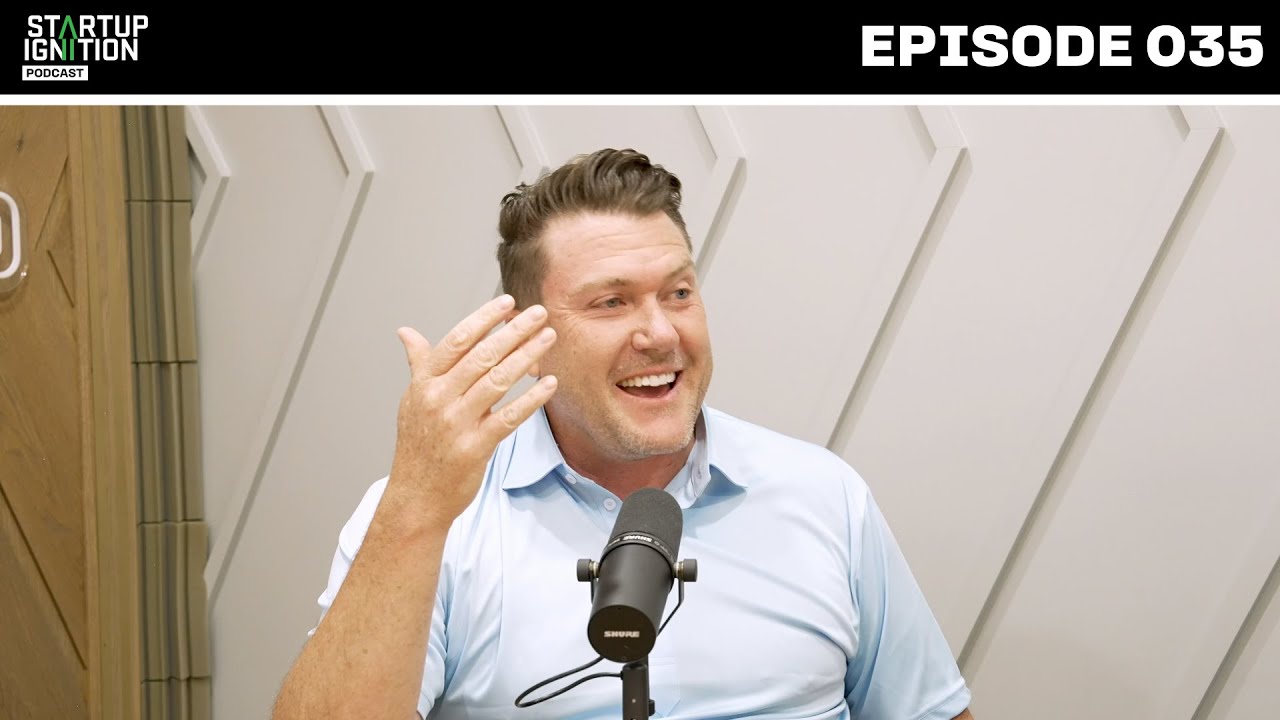
Johnny Hanna shares the inside story of co-founding Entrata and helping grow it to a $4B valuation, then co-founding Homie to disrupt real estate commissions. He opens up about the mental health toll of entrepreneurship and why founders need to take care of themselves first.
Johnny Hanna co-founded Entrata in its early days and spent 12 years as President, helping grow ARR from zero to $100M+ and adding over $1B in monthly rent payment processing. He then co-founded Homie, raising $39M+ to disrupt residential real estate brokerage fees. Over 20 years in proptech, he has also served as CRO of Funnel Leasing and President of Beagle.
Show full transcript
Yeah. Going into Homie, like within a few weeks, we got a cease and desist from Zillow. Oh. >> But the investors uh that we were pitching in San Francisco, one of them uh was one of the first investors with Uber and their guidance was go get sued. And so we were like, "What's on, you [laughter] know?" And so we like we framed that season. >> I had one guy tell me, "You got sued, you got game." >> Yeah. Yeah. [laughter] >> You're doing something right. >> Use it to your advantage. And Tesla did that too. Like when you know all the car dealerships came after them. >> Oh, yeah. Yeah, they got so much publicity. So that that was we >> and it really is just slow down tactics trying to so they can try to catch up to your innovation. [music] X2. [music] >> Welcome back to the Startup Ignition podcast. I am your host, Tyler Richards, with my dad here, John Richards. >> Hello. Hello. >> Or maybe not welcome back if you're watching for the first time, just welcome. But if you watched the last episode, welcome back. And thank you so much for subscribing, following, liking, sharing, everything you guys are doing. Ever since we started this podcast, uh, our subscriber count on YouTube has probably 10x from what it was before we started the podcast. So, thank you so much for following along. But today, I'm very, very excited to have our special guest today. It's not just me and my dad. We have Johnny Hannah here today in the studio live and awesome as always. Huge support of what we've always done at Startup Ignition. So, we thank you for coming on the podcast. But, welcome Johnny. grateful to have you here. >> Founder of landmark companies in Utah. >> Huge companies and that's why I'm so excited to dive into your story because I don't think I've ever sat down and like said, "Hey, what's your background? How did things go? How did you do it?" So, I'm really excited for the viewers and listeners to hear that. Also, I'm just curious myself. So, today we have Johnny Hannah, the legend in Utah Tech. In 2003, you co-founded Intrada with two other guys. Is that right? In 2003, was that the year? >> First name, Property Solutions. >> That's right. >> Oh, that's right. Yes, I remember that. >> PSI, Property Solutions International. We we were dreaming big. >> Yeah. PSI and uh so Property Solution later changed name to Intrada. Then you went on to do another company here in Utah which has a huge brand recognition. Homie actually there were four co-founders of Intrada. Mike Trianfo. So I I rejoined with him at Homie and then Mike Paragrino. Okay. Yeah. Yeah. And so >> Intrada Homie and now I saw on LinkedIn that you're doing something else called Beagle. Is that correct? I'd love to hear more about that. >> Yeah, I actually that's the shortest stint I've ever had. >> Oh, really? >> Yeah. I I just left. >> You just left. Okay. >> We're going to hear [laughter] about all this. That's great. >> Um but other than that, you are a great guy. You're a huge supporter of what we're doing. You've anytime we've texted you, called you to do anything, come speak to our group, come support this or that, you're always the first one to say, "I'm in. I'm in. No questions asked." So, we appreciate you. >> And the audience has loved his uh his presentations. >> Oh, yeah. our community. You've come and spoke to them and they still rave about it to this day even though it was years ago. So, thank you for having such an impact on our audience. You're such an advocate for good work and hard work and rolling up your sleeves, getting in the trenches. I'm a little bit younger than you, but I've kind of worked side by side. Our careers have kind of gone off and I I just always remember respecting you, everything you were doing and every venture that you've done. So, >> and taking on big disruptive ideas. >> Yeah, huge ideas. For those who don't know, Homie was probably one of the most disruptive business models to the real estate industry that has come along over the last 20, 30 years. >> We're going to hear about that. >> And so, yes. So, today, welcome, Johnny. Thank you so much for coming. >> Great to have you. >> Yeah. And and how how could I not want to come and just hear all of that praise, you know? Like, it's amazing. >> It's real though. You're like, stop, keep going, stop. >> And it is it is reciprocal as well. like I know what you guys have done for the community and and at homie you were a reference for us >> and video testimonial you know like so >> yeah and and I appreciate all that you guys put on all that you do for you know the the the next generation of entrepreneurs too >> thank you okay I'm going to get into the podcast by doing an icebreaker so we can take five minutes real quick here at the beginning of the episode I have a little game I want to play with you okay it's called this or that Utah founder rapid fire okay Sam or me too. You both can. Um, it's going to see how Utah you are, Johnny. Okay, [laughter] >> so here we go. Are you ready to play my Utah founder this or that? >> I don't know if I'm ready, but I'll play. >> Okay. So Delicious or Swig [sighs and gasps] >> or neither? >> A neither. I >> I'll give you the neither escape, but if you had >> Half of my income has gone to both. My wife has had one of those every single day. She also will get some for the neighborhood ladies. Like >> it's it's just uh >> So it's a party when she goes to sleep. is a party every time and she knows every individual who's served her. She knows their backstory. She's like, "You should hire this guy. He works this hour. Go meet him. Go drive through and do an interview." You know, >> she knows the employees and the hours that they work. >> She knows the employees. >> Okay. That's pretty That's pretty bad. >> I'm Swig. You're Swig. >> Swig. Savory. Come on. Savory. I'm an investor in Saver. >> I love Savory. They're great. Great people. >> Um Okay. Silicon Slopes or Silicon Valley? >> Oh, Slopes. >> Slopes. Okay. That was an easy one. I don't know. Some people have a preference and they really respect what's going on in Silicon Valley, which we all do, right? They're setting the tone. There's a huge amount of >> benefit from them. No question. But no, I want to support Utah. >> Silicon slopes. Okay. Investor meeting at Sundance or golf meeting in St. George? >> Uh, Sundance any day. >> You like Sundance over St. George? Are you not a golfer? >> I'm not a golfer. Yeah. But I'm a skier and my whole family we have season passes to Sundance every year. >> Okay. So, you're choosing Sundance. >> What would you do, Tyler? I would probably do golf in St. George. [laughter] If it if it was like someone important coming in and I wanted to say, "Okay, here's the Utah thing." I'd probably go I'd do >> both of my sons and both my sons-in-laws are fanatic golf. >> Yeah, we're huge golf family. [laughter] >> They're fanatics. >> We just watched the Ryder Cup. We love it. Um Okay. >> Well, my son-in-law went. >> Yeah. Yeah. My brother-in-law went. Um Tesla or a lifted Utah truck? >> You know what I'm talking about. You know the typical >> truck. I'm a lifted Utah truck guy. Although I just sold my Teslas and so I I have a Ford Raptor now. So >> I knew it. Okay. Yeah, me too. I have a Ford Lightning that I lifted and put tires on. [laughter] So >> sadly I'm Tesla. >> Yeah, he's the Tesla guy. But Tesla's kind of becoming a Utah thing. They're everywhere, right? So um >> and I love our guy, Alex, you know, with with bought from. >> Yeah, he's awesome. >> Uh Eevee Auto, shout out to Eevee Auto. Real Housewives of Salt Lake City or Real Lives of Mormon wives. And I'm not talking about I'm not giving you a neither. [laughter] Say fine. >> Okay. How about >> What is it? What is it? Real Housewives of Salt Lake City or Real Real Wives of >> I think I watched 10 minutes of each and couldn't watch anymore. >> Yeah, that's [laughter] >> Yeah, we don't even have TV in our house. >> I I just I know I see why, you know, they'd be intriguing to some. But man, I watched both of those for 10 minutes and I go, "This is >> Wait, hold up. >> It's a train." >> Johnny just casually dropped that there's no TV in your house. You have no TV in your house. We we got rid of our TVs and it's been awesome. Yep. [clears throat] >> Just no screens. >> Well, I mean, we'll do phones and tablets. >> We'll stream, >> but you have no planted TV on a wall. >> We We just put one of those Samsung frames in our living room that has pictures >> and we've slowly started streaming again through it, >> but it was right after we got rid of everything. We used to have one in every room and now it's >> you're like cutting back. Wow, that's cool. Okay. Wow. Respect on that. Next one. working from home or working from the office? >> Uh I again I have all these kids. I love working from home. Really? >> I do. Okay. Yeah. >> Cool. >> Yeah. But I I I know the benefits of working from the office, but >> man, I really enjoy being able to get up, go walk around the yard. I have a bunch of chickens, you know, whatever. Go check on them. Just getting some sun. >> Whenever I've been in the office, I typically don't even leave for lunch, you know? I'm just like heads down go grind. Yeah. But home it's a little bit different. It feels better. >> Okay. And this is for this weekend. BYU or Utah? >> BYU. We just go. >> We we uh we've been remodeling our home and we gave away a bunch of furniture to Bear and Tiger. So, they came over and and I haven't been a huge football fan either way, but they came over, grabbed some of our furniture. I helped them move it into their apartment. And they're >> the quarterback. >> Bear the quarterback and his brother Tiger. >> No way. >> Yeah. So, that's where I'm like I now that I know them like >> Yeah. They're personal buddies. >> Yeah. They they're they're such humble kids. They're so young and it's amazing watching them play and be, >> you know, it's so good, so intelligent. Like, they understand the game. So, I'm I'm excited. I'm for sure watching it. We're for sure streaming that on our TV. >> Yeah. There we go. Yeah. No, that freshman quarterback at BYU Bear, he I mean, it's pretty rare to have a six and0 start as a freshman quarterback. That's pretty crazy. >> Yeah. Mountains or meetings? And what I mean is like snow day or deal day. What What is your preference there? I mean, >> like if you're inking [clears throat] a big deal or you have the opportunity to go, >> this is how Utah are you? It's if it's a powder day, I don't care what's on a going powder day. >> Wow. Okay. I like it. >> If it's just a regular like Yeah. ski day, no, I don't care. I'll do meetings. >> Okay. This one's a funny one that I just actually learned last episode with David Bradford. Crumble or Mrs. Fields? >> Oh, crumble for sure. >> Crumble cookie. Okay. >> 100%. >> You remember we talked about Mrs. Fields Park City original Utah cookie. I I didn't know >> Mrs. Fields was out of Park City, Utah. >> I learned my history. >> I know. David Bradford told us that when he came on our podcast. >> I knew about that. I have a friend who was like Mrs. Fields right-hand person. >> Yeah. >> Flying around on their planes every >> Yeah. Apparently, she had a private jet and everything. She was making it. [laughter] So, um Okay. Managing employees or managing investors. What's harder? What do you like? I don't know. Take that as you Oh, I yeah, I mean I've I've only had good experience with investors, so it to me that's been a breeze. >> Um, but yeah, I I love >> to me the part of work that I actually enjoy is managing people. >> So, you like you like having employees and >> I do >> showing up and managing them and taking care of them and putting [clears throat] out squables or helping them succeed. >> Yeah, helping them succeed to me. To me, that's it. >> Yeah, that's cool. whe whether that's inside the company or outside like if it can be a stepping stone working for me onto something else or if there's any ability to promote within great but yeah I I love I love managing >> okay I got to go back to my dad on the crumble or Mrs. Fields. Which one do you like? >> M I like crumble. Crumbles. You like crumble better than >> Yeah, they're different. Mrs. Fields were very simple cookies. >> Yeah, they're just like a homebaked chocolate chip. >> Yeah, but I like a good homebaked chocolate chip. >> Um, okay. Last one here and then we'll move on to the actual episode. Raising kids is more stressful or raising capital is more stressful. >> I would say capital for sure. >> Raising capital is more stressful. >> Yeah. I I I don't know. I mean, everybody's situation was different. my investors. We were at a time where it was just growth at all cost, meaning I had to raise money all the time because nobody cared about burn. >> It was your second job. >> It was my It was my primary job. >> Yeah. Yeah. >> Was raising capital. And so >> for my experience, raising capital, I think, was incredibly stressful. But it might not be for everybody. >> Yeah. No, I think it usually is. It always adds a lot more pressure into every situation. I feel like when money's on the table and it's someone else's and they're expecting a return, that's a big responsibility, a huge fidiciary responsibility. So, >> yeah. And we have great kids. We have uh seven boys, one girl, and they all like the older kids all help out. They're really >> You have eight kids. >> Eight. Yeah. >> Wow. That's you know what causes it, right? [laughter] >> Do we go into that on this? >> I don't know if this is the obvious for that topic, but we'll put it to we'll put it to the questions on YouTube chat. Should we talk about uh what how to make children? Thank you for playing my game. I guess what do we conclude? Is he pretty Utah or not very Utah? >> Utah. >> He's very Utah. >> I don't know what the actual stats say, but we'll say 99% Utah. There we go. Johnny, I'm I'm I don't know where to begin. I know you guys have known each other for a long time. >> Yeah. Yeah. But let's let's go back before Property Solutions was a student venture at BYU, which is where I first met you. So go back before >> I think I saw on LinkedIn. Did you go to BYUI at >> I did BYU? >> You went to Idaho up in Idaho. >> You joined Dave with that company in 2003 >> for the business plan competition at >> for the business plan competition and I was a judge and I was there and I mentored them at the I Dave Baitman had a company called dearelder.com. He made $400,000 and I sat down with him on how to parlay that into property solutions. >> Oh really? >> Yeah. and and it was Dave's investment and that company that really helped helped us, you know, continue along because both companies were in the same office. So So when I helped to start Property Solutions, we had Dear Elder cookies all the time. >> That that helped fuel us throughout the day. >> Okay. So not Mrs. Fields or Crumble, but dear Elder Cookies are preference and dear Elder Cookies where the families could send cookies to the missionaries. Okay. But before that, where did you grow up? >> Um I I claim PBLO, Colorado and Billings, Montana. My mom lived in PBLO and my dad lived in Montana. So they split early on. >> And then you went to Rick's College it probably was called at the time. I went to Idaho and it became BYU Idaho. >> While you were there. >> While I was there. >> Oh, really? Okay. And so then and then how did you meet Dave and get together for Property Solutions? >> Um Dave moved from uh Cheni, Washington. Uh and that's where the Zimmers were living as well. Oh yes. >> So they had moved from Seattle >> and I know Ben Zimmer's dad Derek >> who was our other co-founder. Yeah. Ben. And so Dave moved from Cheni to Billings, Montana his senior year and I was going back and forth. And so I met Dave this summer before my senior year and we became really close and then I just decided to do my senior year in Billings. Okay. >> So that's that's where we really connected. >> Okay. Got it. >> Decided we wanted to start a company and work together. We went to MTC together. We we we did all of that. >> Wow. >> Wow. How did you swing that? That just the exact same times and everything? >> Yeah. I mean, our birthdays were about 6 months apart, but yeah. >> Wow. >> The the timing of the calls, everything worked out. >> And then you guys were juniors or seniors probably when property solutions was going then. >> Seniors. Yeah. It was my senior year project up in Rexburg. >> And so, yeah, this was when Dave and Ben had entered the business plan competition at BYU. I had a team of students that did a lot of the research. >> We called through all the all the apartment communities nationwide to find out if they if any of them were collecting rent online or if any of them had marketing websites, and nobody did. So let's let's put this in perspective. So uh BYU I had just joined in 2002 and it was already strong and it was getting stronger because people like me and others were coming to BYU to help and we created the biggest single business plan competition of Indian University and that was one of the first years that really had good prize money. One of the first and that that's good fork 25k in cash and 25k in prizes. >> Yeah, that for for back then and for a university that was pretty good on good. And then and then Property Solutions swept the whole thing and won it all. >> Yeah. >> Yeah. [clears throat] >> And and then we went around winning other business plan competitions. >> Yes. >> And that's what funded the company initially. >> Okay. So take us to those early days. What what what was the genesis of the idea of property solutions? How did you fall into that idea and maybe tell our viewers and listeners exactly what initial business model? >> Yeah, the initial business model came from uh my co-founder. He and his wife uh managed an apartment uh Centennial Apartments right next to BYU and during rent week there was just a line of students out the door frustrated that they had to stand in line to pay rent. And so one of the ideas was collecting rent online but it it really broadened as we did a lot more research and it was a full-fledged like uh enterprise platform. So accounting software, revenue management software, websites, payments, uh everything you need to manage a property in the industry. I hear people call it a portal. >> It's like a multif family. >> It's it's developed into that. We bought resident portal, trademark that, prospect portal. So those were things that are now they're now the common nomenclature. >> And so our viewers and listeners can know as they listen to this, what started with you guys as students and this is what we try to tell people. This is a great place, America. Right. You were students. That company today sitting here in 2025 is worth$4 billion dollars. Yeah. >> Right. Yeah. Yeah. And just raised a massive round with Adam and the team over at Black Rockck. I can't remember the hundreds of millions, but >> So your initial idea was the very first idea was collecting rent online. Is that right? >> And building marketing websites. It was a combo >> for the multif family properties. Yeah. So like a 200 unit apartment building would sign up with you and they'd have a nice website and could collect the rents online. >> Yep. So we we built one for Glenwood, for Rainree, for Riviera, all the classic BYU students. >> Classic BYU housing. We built websites and I know the owner of that. I knew the owners of those at that time. >> Uh Dave Freeman. Yeah. Dave Freeman, who I golf with. You've golf with? >> Yeah, we know Dave. >> He's in our in the country club. He was a huge supporter probably. >> Huge supporter. so much patience with everything we built. >> Yeah. >> With all the bugs we delivered to him, he he was really patient. >> He's he's a he's a great guy. So, who was the technical side of of property solutions now in TRDA back in the day? >> We we had a we had a few engineers. Um >> so, all four of you founders though were non-technical. >> No, Mike Tronfo. >> He was >> He was Okay. Yep. And then Dave quickly became [clears throat] uh technical and and very quickly and became very technical like he became basically our CTO. um in a matter of a couple years. >> Wow. >> And and that that's where his strength was. No question. >> Yeah. >> He did a great job uh coding and >> and and recruiting engineers. >> Wow. Okay. I did not know that. Student competitions all the way to cuz you're no longer with Property Solutions anymore or we're now in TRDA. How long was that? What's that timeline? >> How many years were you there? >> I was there for 12 years. >> 12 years. Yeah. >> That's a huge portion of your career. >> It's it it's the majority of my career for sure. >> It's a 23 year old company now. >> Yeah. >> Yeah. Wow. I did not realize you were there for 12 years. >> Yeah. And and it we it it was really slow growth at the beginning. We we just stumbled over and over. But talking about students like we did not know anything about property management. We didn't really know anything about software. We were we were getting into uh SAS and that didn't really exist at the time. There wasn't really web-based software. >> The two behemoths, Yardy and Real Page, they were both moving from DOS software to Windowsbased software. >> Yeah. and we just jumped in with web- based. >> And so a lot of that was new, but to me like I I think that the benefit for students and for young entrepreneurs >> is is your naivity, you know, like you just don't know what you're about to do. And that's beneficial. >> Yeah. >> And and the and like the entrepreneurship programs at BYU at least, they say, "Hey, you're a student. You can do this." And they say, "Oh, I can do this." Okay. And then they go do it. And then they go and then they go do it. I know. It's amazing. Yeah. In all of the trade shows, we had this small little tiny terrible booth that was used, you know, it wasn't even our colors, you know, but we're like whatever against these giants. >> And we just kept kept at it little by little. >> And and one of the stories from those early days, cuz I tell this still to this day in our boot camp sometimes, Property Solutions about 6 months in also had to throw away all the code and start over. >> Multiple times. >> Multiple times. Yeah. >> Wow. >> Yeah. So, I mean that's entrepreneurs don't understand that. That's why you have to be so careful is when you're going because you literally spend all that money building a codebase and then you throw the whole thing out and start over. >> Well, and and for me, I was the sales rep. I was the support rep. I was the professional photographer for the websites. >> I had to go to all these clients and tell them, "Hey, everything we just built for you, you no longer have. We're getting rid of it." And I had to do that a few different times. >> Was the industry pretty regulated? Like was was there like a lot of regulations or was it kind of like you guys were >> wild west? >> You guys were doing it. So for online for payments to collect rent online, I just grabbed people's routing and account number. >> I could have split to Mexico, but [laughter] >> you know, a few more not to do that, but like >> yeah, we we had a former NFL MVP that had a penthouse in Chicago. Um, and I had his routing in account number, you know, to just, you know, pull out his rent money every month, [laughter] you know, and I'm like, I could pull out a little more, you know, but >> no no regulation, no payment card industry compliance, nothing like that. >> Today, is the industry pretty heavily regulated? >> Insanely. >> Did you sell to conglomerates that controlled multiple complexes or did you have to go multif family complex by multif family complex? I mean, how you were in sales >> as a student? as a student I didn't know and so I just started going to the property and talking to the manager and a lot of the managers would be like oh yeah come back and let me talk to you but >> there was always a headquarters or like a Dave Freeman who managed >> 10 of these >> yes >> and so we I finally realized after about uh 8 n months of of of just being turned down that I needed to go to Dave Freeman's >> Yes >> and and tell him hey I can do this for your whole portfolio >> so we ended up going to the big headquarters of all these property management companies and sold them for their whole portfolios. >> What's the pivotal moment? What deal did you get done saleswise that you felt this was turning the corner? >> Yeah, that's what I was going to ask. It's like what moment did you feel like, okay, this is going to be pretty major platform? >> In 2007 2008, so about 3 four years into the company. >> Yeah. >> Um we sold the two largest companies in the space, Riverstone Residential and Lincoln, Lincoln Property Group. Lincoln still exists today. >> How many doors did they control? Uh they they manage probably a little over 100,000 units of apartments. Is >> that that's kind of how you measure it, right? Doors or units? >> Doors. Units. Yep. So 100,000 doors. Wow. >> And they were they were absolutely massive. So when we landed those two, >> it was a domino effect cuz we just told everybody, "Hey, Riverstone uses us." And then all their competitors wanted to know why they used us, >> you know. And then when we knocked down Lincoln, the number two competitor. >> So this literally every month just with those two after signing them. And once you were up and running with them, because it takes probably a while to get up and running, >> but a 100,000 rent payments are coming through you. >> That's right. >> How did you get those big guys? Was it just because there wasn't a ton of players and so you were one of the only options or at that time had competitors start catching on? And >> there were plenty of competitors always. >> So what was it that got you that deal? just we just kept reinvesting back in the company, but we started out with like a single owner like a there were people that owned fewer apartments than Dave did than Dave Freeman, you know, and so we would sign them up. They would start paying us monthly. We'd start collecting rent and so it just grew. And so as we grew the client clientele, we had bigger and bigger clients >> and we had to take care of them so they'd be referencable. Yeah. >> And then eventually when we got in got the time in front of Riverstone and Lincoln, >> they, you know, they'd say, "Okay, who's using you? Let us talk to them. We don't want to hear from you anymore. >> So you signed they did their due diligence. You signed those two big ones obviously now property solutions. Now was it train when did you change HRA from >> right when I left. >> Okay. So it was still year 12. What was the reason behind that? >> Um we we had been like a portal company historically like for marketing websites that was the that was the prospect portal >> and then the resident portal to collect rents online and do maintenance requests. And we were making a big movement into the accounting suite. Okay. >> And our accounting software we had named Entrada. >> Okay. >> And Entrada in Spanish means portal or Italian Entraata. >> So it it it tied but that was the name of it. >> And then we wanted to brand to the entire industry that we were an accounting enterprise solution not just a bolt-on. >> Yes. >> And so at that point we became the full enterprise suite. >> I remember Yardi and a lawsuit or something. What's tell that Yardi was the behemoth in history. the first one ever to do this type of thing, right? What happened there? What did Yardi do? You already did rent payments, too, or Yardi did everything. >> They did everything, too. >> Yeah. And as soon as >> they were huge. One guy started it. I think he owned the whole thing for a long time or something. >> He He still does. They're still one of the largest privately held companies in the world. And they bought Wei Work. So, Yardi is absolutely massive. Wow. And they were massive when we started. So, yeah, when we started doing websites and payments, they immediately started doing websites and payments. So they were a major competitor since from day one. >> Yeah. There was some kind of lawsuit, right? I can't remember what it was about. >> Yeah. Um [sighs] I Yeah. The the claim was that we were logging into their software and copying what they had done to build our software. >> Oh, okay. >> And so that lawsuit's now been settled and gone. >> Yeah. It was kind of like a big company trying to slow you down. >> I You can't say it, but I'll say it. That's what what you know some of the phrasing we were using at the time was that if you can't innovate litigate [laughter] >> you know but but but that said like you know we were doing plenty of stupid things too like you know so I but it's it's all in the past. But I mean, easily one of the customers that you were trying to sell and win the business of could show, well, here's what Yardi does for me. Why don't you do that? Yeah. >> They could show you themselves. That's right. I mean, >> that's right. >> Yeah. I'm the same way. Beat on the field of competition. Don't sue. Right. Yeah. That's how >> lawsuits aren't good for anybody. And all of our clients hated it cuz they're like just two of their vendors were suing each other. >> Yeah. >> And it was a waste of time. >> It drug out for a long time. >> It drug out forever. And I I think I think Yardi would say this. I think all my other you know co-founders and everybody that's part of that would say it like it's the lawyers who win. >> And a lot of people were saying cuz Yardi was so big and powerful they thought you guys weren't going to survive and said you don't know these founders. They're going to survive. >> Well, [laughter] we didn't necessarily think we were going to survive either. Like there was >> you know like anytime you know you have unlimited pockets you can sue forever whether you're right or wrong. >> Yeah. And also that first lawsuit that comes your way it's very scary. It's very scary. >> You're just like, "Oh, what do I do with this? How do I handle this? I have no idea what's going on." >> Yeah. And and when you guys you guys asked me to speak to one of your groups a little while ago, and I actually brought up this lawsuit, but >> the fear that envelops you in some of those situations can be just like >> completely halting. >> Yeah. Traumatizing. >> Traumatizing. And so, >> I had so many of those moments where I'm just like, "We're done. We can't do anything." And like I can't sell another client, you know, or But >> like >> I'm not laughing at you. I'm laughing because that's so relatable. >> I've been a teaching moment for all our viewers and listeners and I'm telling you right now >> as a mentor, which I've been for decades now. Entrepreneurs come to me, they've been received a cease and desist letter or some kind of legal letter from an attorney representing their competitor and they freak out and it's completely traumatizing and I tell them, you know, one of the best things you can do is ignore it. Now yours you couldn't ignore cuz I understand you'll I said someday you're going to laugh about this and and and >> and laugh hard. >> Yeah. You're going to laugh about this and and they at the time they don't believe it or anything like I can think of so many companies right now just here in Utah where they come over to my house they think they have to throw in the towel and they have to you know the whole thing's coming down crashing halt and then five years later they're wildly successful and they look back and go I can't believe I ever thought that. You know, it it's it's crazy, but yeah, like the lows aren't ever that low and the highs aren't ever that high, you know, cuz same thing. It's like, oh, we just, you know, got the two biggest companies ever. Oh, wait. We're being sued by the largest competitor, you know, >> and look at how there's room in the market for Yardi and Intrada, right? >> There's room in the market. >> There's room in the market always. >> Yeah. And so, the funny thing is is now that's why look how successful Entra has been. And you as a founder of Intra can look back and say that was kind of a silly situation, but at the time it's like life or death. always. Yeah. Yeah. It's so hard to see when these are your first experiences, but yeah. Going into Homie, like within a few weeks, we got a cease and desist from Zillow. >> Oh, >> but the investors uh that we were pitching in San Francisco, one of them uh was one of the first investors with Uber and their guidance was go get sued. >> And so [laughter] we were like, what's on, you know, and so we like we framed that. >> I had one guy tell me, you got sued, [laughter] you got game. >> Yeah. Yeah. >> You're doing something right. >> Use it to your advantage. And Tesla did that too, like when you know all the car dealerships came after them. Oh yeah, >> they got so much publicity. So that that was >> we used it to our is just slow down tactics trying to so they can try to catch up to your innovation. >> But before we get to Ira cuz I want to hear more about Homie and I loved that transition into Homie, but I I do want to before we go, you were there 12 years and it was obviously successful. It's still going today and TRA is a very successful probably one of the most name brand tech companies of Utah at this point. Why leave? Like what what was going on? How come how come there was an urge to go and do something else like what came to be home? >> How many Yeah, cuz are any of you four still there? >> No, all of you have gone now. >> Okay. Yeah. >> But go ahead. >> Yeah. I mean I I think it was it was a typical sad breakup story. >> Yeah. >> And and it wasn't easy those 12 years. It was it was actually pretty difficult journey. I mean >> financially we were we were just hitting 100 million in recurring revenue. That was our run rate when when I decided to step away. So it made zero sense. >> Yeah. >> But in terms of drama and stress like and and just being healthy mentally for myself, it made >> all the sense in the world to leave and just be gone and be done with that chapter. And again, I had 12 wonderful years and you know, the people I worked with were absolutely amazing. They're still some of my closest friends and a lot of those guys are still there. Yeah. >> So, still a lot of the OGs of >> no matter how good it goes, it's still a grind. Yeah. >> No matter what, it's still a grind. >> But at the same time, like every entrepreneur watching this episode probably right now is like, why would you ever walk away from a 100 million ARR company? That's that's cra that's like the dream, right? It's like, oh, my company hit a 100 million ARR. So, it was just an >> unity 4 billion and I didn't get to participate in that 4 billion. Yeah. So, like it seems like a huge >> What happened to your equity? Um, you still hold your >> No, I I wanted I wanted to part ways with everything. >> Oh, so at that moment you actually separated and and >> I I couldn't at that moment. That was part of the the issue that I was struggling with. >> Yeah. >> Um, but a few years later I was able to sell everything. >> Oh wow. Okay. So, and plus at that time you had Homie which is a name brand. That's right. >> Yeah. Did you go straight into Homie from Intrada? >> I >> And what year is that? What >> 2015? >> 2015. Okay. So, yeah. That's 12 years. Yeah. >> Yeah. So, so my partners again I I didn't have a great it it was a heartbreak for all of us every one of us there but um >> yeah they threw me a going away party to just kind of keep the peace with the employees and I didn't want to rock >> what was your position at that time when [clears throat] you left president >> president uh so yeah and I was I was kind of the face of the company all the clients like I sales was my thing I I I went out to all the trade shows but >> and and I loved culture I loved managing employees all all the people I was really close to culture is a huge thing for me, >> right? >> But yeah, they threw me a little going way party. I thought that made sense to just, you know, show everybody that things were above board. >> Yeah. >> Um and then that afternoon, I had an invite to somebody who knew that I was leaving Entrada, Mike Peragrina, and he had [clears throat] he said, "Hey, I want you to help me start a new uh real estate tech company." And he pitched me on homie that afternoon. So, I kind of started right away, but I didn't know. >> You had like two hours to relax. I had two [laughter] hours. I don't know if relax is the right word, but >> How did you know Mike? How did he reach out? >> I didn't. Uh, we had an attorney friend that was just a mutual connection that made the intro. >> And he's like, "Hey, this guy that has been in Entrada might be open to helping you out." >> So, set us up. What was the original hypothesis? >> What did Mike pitch you that day? Yeah. What did Mike pitch you? >> Yeah. I mean, the first thing that he just said is, you know, have you had a good experience with realtors? you know, you know, have you do you feel like they add a the value of what they charge, you know, and and I said absolutely not. Like my experience wasn't great. Um, I did have a few friends that I'm still close with that had their license that helped me on a few transactions, but in terms of the amount of work I did versus what I perceived that they did didn't seem to to add together. So, I thought, yeah, that industry needs to be disrupted. and and and and he had done some research on the size of the opportunity. And you know, thinking about like Uber disrupting taxis, nobody has a taxi driver friend that was disrupted by Uber. Like none of us really know a bunch of taxi drivers, but how many of us have realtor friends, >> right? >> And so like that industry, like the housing industry, it's everything. And I thought, man, this is an opportunity to take a swing at one of the biggest industries ever. >> Yeah. And I'm like, why not? And why not us out of Utah? You know, that's [clears throat] where I'm like, >> yeah, let's do it. >> What's the original like problem solution statement? The problem is the 6 7% commissions that are paid when you sell a home is not commensurate with actually the work being done. >> That's problem one. And problem two is the whole process is disjointed. So you have you go from you tell everything to your uh realtor, then you have to reexplain yourself to the loan officer, then you have to do it again at title, then you know you get home insurance, just the whole process. >> So the entire selling and buying process too, home warranty, home inspection. Yeah. It's just it's a nightmare. It's >> the real disruption cuz you were trying to take down, you know, you sell a million dollar house and you got to pay 60 70,000 in commission. Um, and that person may have only listed something into an MLS or multiple listing service and that was the only thing they did. It sells the next week and they make 60 $70,000 or the broker and the realtor do. You were trying to disrupt that fee structure, right? Is that correct statement? >> Totally. Yeah. And and automate the rest. >> And that made it very exciting for everybody around. I remember Wow, man. That's a huge undertaking and disrupting a massive industry that's not going to like too much to lose that money. >> So, how did that go? [laughter] Yeah, I I knew >> and and the Zillow thing, >> I knew it would be disruptive, but I didn't know how hated I would become >> and and how connected the realtor associations are to the division of real estate in the government in every single state, >> but they are >> so like the National Realtors Association is >> or the Utah Association of Realtors, they in the state government, the division of real estate that monitors them. >> So their lobby and political power is huge. >> Go to all the weddings, do do all of that stuff. Like the political power, even in Utah, is absolutely massive. We didn't want anything to do with that. We wanted to distance ourselves. So, there were two provisions when we started our company that we could legally move away from what they were doing. We could have lawyers that transacted. They didn't have to be licensed realtors. So, we didn't have to be under the division's purview. The other thing is like KSL and Zillow could advertise homes online without being a licensed brokerage. So there was an advertising exemption and the lawyer exemption of being a a realtor. >> Yeah. >> We ran with that. But immediately, you know, there's 25,000 realtorsish here in Utah. And they uh there was thousands of complaints that went to the division of real estate immediately. So we started getting uh fines. Investigators were coming disrupting our partnerships. I got threatened with 6 months jail time if we didn't uh get licensed. And >> a criminal charge. >> Criminal charges. Yeah. And so we partnered then with the Utah Bar Association. >> We're like, "Hey, help us out." And and they were like, "No, lawyers do not need to go get their real estate license. They've gone to school for seven years, you know, not a 3-week license." >> So the Utah Bar Association was in our in our corner. >> Um we had partnered with KSL because they also were doing for sale by owner. So, we had a great partnership there, but all the threats canceled that partnership with KSL. >> Really, >> all those threats canceled our partnerships with all the homebuilders who also didn't want to pay 6% commissions. >> So, it just it wrecked us pretty quick. So, we had to become licensed if we wanted to survive. But the entire concept of America and a free enterprise system is new technology competitors startups bring more efficient markets. And so the 6 7% commission that is long time in real estate with technology now and the ability to do transactions and all this coming together driving it down closer to 1% is a natural normal thing that happens in every vertical for hundreds of years >> and it already happened in every country outside of the US. >> Yes. And so my question is so is it it's just the tide the government combined with the powerful lobbyists. Is that what it is? I mean why was it so venomous? >> That that's it. I mean, you mess with that commission and there's just Yeah. And in Phoenix, there were 45,000 realtors in Maricopa County that we fought, >> you know, when we opened up Vegas, same thing. Or Denver, it was just a fight every single time. >> Yeah. And I could feel that. I I'm going to share my experience with it cuz I uh went to sell I sold it through Homie and I said, "This is incredible." Cuz it was a difference. the selling of that condo, I would have probably paid about $15,000 to sell that condo and I paid about $1,500 at the time. I think you later went to like a minimum 2,800 or 3,000, but I was about 1,500 to sell that. And it was a super easy transaction. I felt very confident that I could handle it and did it and everything really smoothly. And I go, "This is how it's supposed to be." >> Yeah. I mean, because that condo sold only because they were in demand condos anyway. I didn't The real estate agent doesn't do anything other than put a listing in the multiple listing service and fill out some paperwork >> and and there you'll you know, everyone would push back on that on that statement. >> Yeah, that statement. There are those I I like the sell the ones who actually go find a buyer and bring the buyer in. Fantastic. >> Yeah, >> they're doing a sales job. I have my realtor friends upset at me, but I'm just if you're just signing up 200 listings, not going and finding any buyers, >> there's a lot of homes that take a lot of work. Yes. And in a lot of in in a lot of those instances, they they deserve every dollar of that 6%. >> It's it's how do you know which ones are going to be easy? >> In my situation, I didn't feel that way though, >> right? And I think the majority of like condos or cookie cutter homes in America, >> that's a good point. You make a great point. you you you could go in and do some really easy >> trans a million dollar home that needs a fixer upper needs $200,000 of work and all this and they kind of say well you can get by with 50,000 and I'll get you that 50,000 and more price back so I'll pay for myself that's that situation I get that >> yeah and and you know there's a wide array of skill for every realtor but the majority of realtors that are licensed you know do one to two transactions a year >> and that's where it's like you can't really call yourself a professional >> doing so few transactions, but there's really good ones who do a ton of transactions. So, >> yeah, I know that they sell a ton of homes and they they know everything about the area and they're really good realtors. >> That's it. Just like any profession. So, but what we were trying to do was people that that felt comfortable going with us and we had realtors. We were realtors at this time, >> you know, and so we gave every one of our clients a re a licensed agent to help guide them through the process. But yeah, we we automated it with mortgages, title, insurance, just the whole process. We >> What was the Zillow thing? Yeah. What was that? >> Um I I can't even remember. But I mean, [laughter] we honestly had so many cease and desists. I It was a frequent thing. Every state we went into >> because Zillow went through the same thing. The realtors hated Zillow at first, too, right? >> And and they're still hating Zillow. I mean, it's it's up and down all over the place, but every realtor also lists their homes on Zillow. I think they've acquiesed to Zillow cuz I as I go around and talk to any realtors, they they have to play the Zillow game or they can't be a realtor. >> You have to cuz we all go on Zillow and shop for homes even when we're not looking for homes. >> Yeah. Yeah. >> But but yeah, the the thing that I found fascinating was BYU had a couple professors that did a study over a three-year period of all the homes that had transacted in the state of Utah over a three-year period. and and they compared a three-bedroom, two bath to a three-bedroom, two bathroom right across the street, a Homie versus a ReMax or Centra 21 or Kil Williams or whatever brokerage it was. And they found that we sold homes eight days faster and for $6,000 more faster and a higher price >> and the commission was 16th of the price >> and the commission. Yeah. But and and so we tried to publicize that >> and the BYU professors got a cease and desist. I'm telling you like this industry doesn't want to evolve. It doesn't want to change. >> My my my experience using Homie was completely wonderful. So I that's how I wish it was. >> Well, you were a great testimonial for us. Thanks. >> I did do a testimony. It was fun. What Uber's done for taxis, what Airbnb's done for finding lodging for vacation rentals, all that stuff, that sharing economy, that ability to use technology to drive transaction costs down. Yes. that fighting against that is like zenits got fought against because it could do benefits better most >> disruptors >> and what happens at the end of the day all the cities and places that tried to say Uber can't have people driving their cities they lost technology always wins it's just a matter of time so what did you guys did you pivot away from the initial models and try to find other business cuz it seems like you kept getting roadblocks >> we kept getting roadblocks but things were going really well with the mortgage piece we were making so much I think you expanded to you not just did the realtor, you did mortgage, didn't you do escrow? Did you do escrow? >> We did. We did escrow. Yeah. So, we made so much more money after that initial transaction with the realtor. >> We, you know, we we did cash offers for homes as well. Like we anybody that was looking to buy, we could make you become a cash buyer through our program. You didn't have to have the cash. We'd buy it and then you would get a mortgage through us. So there were some really cool innovations that we did, but ultimately like I didn't achieve the vision that I wanted to in terms of taking over America and going state by state. We were spending insane amounts of money fighting the industry, fighting the realtor association that we were members of. >> When you say and was that legal costs? >> Oh yeah, tons of legal costs. >> Wow. >> And it was just it was it was really difficult to continue to expand. We had to raise money like crazy. And then when interest rate interest rates rose >> in 2022 >> in 2022 it was really hard for us to raise. So we then pulled back and that's where I didn't >> for a lot of the real estate industry. >> Anybody who was burning cash Yep. And in real estate in particular it was it was you know I I wouldn't say complete Armageddon because for us that type of uh situation is actually the best for a company like Homie. People would need to save money. >> They'd be forced to save money. But again, the amount of money we needed to fight our the the lobbyists fight the industry and market to the general public, it was just too high. So I ended up how how did homie end? Tell us. So cuz you started super tons of attention nationwide, worldwide cuz you were so disruptive >> and you did pretty well in Utah, right? Utah you dominated. >> We were the largest brokerage in Utah. >> And I feel like Arizona you started taking >> Yeah. I thought you were really on the rise and then what happened? >> Yeah, the interest rates. As soon as interest rates rose, it wasn't that it was Armageddon for the real estate industry. It was Armageddon for fundraising. >> Yeah. >> And so I just couldn't raise. >> How much did you total raise into Homie? >> 100 million. >> 100 million. >> So you didn't you didn't you didn't achieve uh cash flow positive state. >> We did not. And we were encouraged to burn. Everybody was, you know, this is where >> that's we've done some episodes on unicorn versus elephant. I don't know if you've heard of the term elephant yet, but it's just an interesting thing. And you know, it's hard when you're encouraged to raise all this money and burn all this money, grow, grow, grow, grow. >> A lot of entrepreneurs, so our listeners should listen to this, is that not every team can pull off that game. It's a lot of pressure. Well, and and I had incredibly intelligent investors behind us that were telling us to grow at that rate, too, >> because that was the climate. And so, when it switched, it just changed everything for everyone. How much do you figure of that hundred million you did you guys spend on just fighting the cost? >> Oh, I don't [laughter and gasps] probably a good chunk of that just didn't even go to operations. >> Every dollar in marketing felt like it was fighting that cause. >> Yeah, that's what I'm saying. >> Cuz I mean our own association put up billboards right next to us. >> Yeah. >> You know, or they would sponsor the same events that we happen to be at, you know, and it's like ah >> they were attacking you. So what happened at the end of those that you couldn't you couldn't raise money and you were negative cash flow. Then what happened? negative cash flow. So, we just had to focus on profitability. So, we did. We pulled back to Utah. So, Homie is still doing well. It's here. It's sold to a a friend and and company. Um, do you guys know Tyler Tiberius? >> Yes. >> He's now the owner of Homie. Oh, yeah. >> Uh-huh. And he's doing really well with it and a lot of my team I just uh >> So, Tyler Tyius owns it and and it's still going today. >> Yeah. And and he's he's now looking to ramp it up and grow it. So, >> And so, you you have not been involved since when? Um, I mean, I I've I really haven't not been involved. I I I stepped away to be like chairman and just be on the board for two years and then I helped Tyler buy it. And then with Tyler, he and I went back and forth on how, you know, what it should look like. I was looking to be a partner with him on it, but ultimately it made sense just for him to run it solely. Um, and so yeah, and so our kids and his kids homeschool together, so I see him all the time and we still >> two questions. Do you think that this >> and I hope our viewers and listeners captured the massive disruptive play that this was what would you do differently and if somebody want this is a major disruption you were trying to pull off with just one of the most powerful groups in the world to reduce their commissions through efficiency and all that and proconsumer so the consumer could save money >> I I would have I would have brought on more sales reps In other words, I would have brought on more realtor. That doesn't mean that I would have had to go get the existing realtor group, but you can get licensed fairly quickly. And I know there's a lot of really good realtors out there who who might not be so salesincclined that they're bringing in all this all these deals, but they're really good at customer service or good on the legal piece. >> It seems like of 25,000 in Utah, you could have gotten a few hundred that would have loved to be a part of home. >> I wish I would have done that really. and and instead my focus and even my pitches to my investors were I only need this many realtors per state to dominate. And so that was part of it. It was the efficiency of the realtor that a lot of our investors wanted or it it it appeared that way. Everybody was measuring us on efficiency. >> Um but >> but you so you didn't bring them in. You said you should have what did you do to get that function or task done then? You said you could have had all these inside your tent, but you were what? working with others in a different way. >> I I mean I had about 80 85 realtors was as many as I ever had at one moment and but we just divided the process up from buyers and sellers. So we had listing agents and we had buyer agents. >> That made it so much more efficient just splitting that up. >> Um it didn't make it that great for the customer experience cuz a lot of people that were selling with their agent wanted to use that same agent to buy. >> Yeah. But in terms of efficiency from a business standpoint, the operational flow, we did a lot of those things. We had people that just priced homes. >> We had people that just negotiated the contracts. >> So, we broke up that process that the realtor is kind of a jack of all trades. >> You know, that they're supposed to be the best negotiator. You know, they they know how to price your home perfectly, you know, and and they not everybody knows all these things, but we had teams that that's all they did. So, they became highly efficient and really skilled at what they did. Do you feel your full vision of what you felt homie could do to completely disrupt an industry? Do you think it will happen someday? >> Um I I >> Homie 2.0. >> Is that kind of the same track that they're on the new ownership group? >> Yeah. Yeah. And and Tyler has a few ideas, but I I don't know. I I'm I'm not quite sure because >> you're saying the headwinds and the entrenchment are so strong. >> It is so hard. It's so hard. Yeah, homie. Like, so Tyler bought uh Homie, but there was a piece that stayed with the past investors, which was the lawsuit. There's a current lawsuit against the National Association of Realtors. They just lost, but they're appealing it. And I think it's a slam dunk lawsuit. If that goes through, I think that will break up the monopoly. What I see in my mind's eye is 10, 20 years from now, somebody takes a run and successfully does what Homie tried to do because it will be different then. That's what we I mean look back on every look I mean literally cities were trying to outlaw Uber when Uber started and it became ridiculous, right? And that's the kind of thing I think this is just a more entrenched situation that's going to take decades and bigger. Yeah. And there were people who started homie before I did and they were like, "Oh, you know, because we were on a tear and they were like, oh, it was just timing. We did everything you did and now you're you're, you know, getting the advantage of of technology." And >> how is this related to FSBO? Because FSBO, is that a real company? Separate company? FSBO. >> For sale by owner is what that stands for. >> Yeah, I know that. But FSBO.com, is that like the leading company that does that or is it something else? Yeah, >> there's a few. It's a concept, but is there a company that's a leading for sale by owner that cuz they used to do like for 1% they'll give you a sign and you can put a sign up in your yard. >> There's help you sell, there's assist to sell, there's fsbo.com. There's a lot of companies out there but they just none of them ever got a lot of traction. >> How did you and home how did Homie and all those differ? >> Um, we did the full process. We did mortgage, title, insurance. So, we made the whole process smooth. >> Okay. Um, and we gave full service realtors to our clients for a low discount cuz we made enough money on the back end on title and loans. All those other companies just focus on listing on the MLS, taking a small fee, and being done. Got it. You still need other loan officers from other companies, other title. >> Yeah. fsbo.com, if I remember right, 1% get a sign, they help you with the paperwork and they put you in the MLS. >> That's right. Really basic stuff. >> An MLS listing basically. And if you're comfortable with that, that works. >> Yeah. I just want to tip my hat to you as a, you know, person who's been involved in the academic side of entrepreneurship and everything and what you attempted with Homie and did is amazing. >> Yeah. >> Well, well, thank you. Honestly, it was it was the the ride of a lifetime. >> Like I just I I don't know if I'll ever have as much fun as I did doing that. >> So, homie was 2015 till 2022. Is that when you left 22 or 23? >> I left in 22. >> 22. >> Yep. But I stay I stayed on the board for two years until we sold it last year. >> All right. Take us from homie to the next. >> Yeah. What are you doing now? What is Johnny Phyllis Day? >> I I took a year off to go to Sundance and just ski every single day which was amazing. It was Utah's greatest ski season big snow year. It was so good. >> So that was heaven. So I I did that and then one of my old sales reps from Entrada, he started a company called Funnel and it was similar to Entrada. it was just a few areas that uh that they didn't focus on. He asked if I would ever work for him. So I joined him as CRO at his company and I did that for two years and it was just basically >> I I left Intrada abruptly in 2015 and and again I was kind of the face of it. So all those clients were my friends. So getting to go back to funnel it was a reunion. I got to go to all the trade shows and I saw all these people that I just hadn't seen forever. So that was absolutely incredible. Yeah. >> So, I was grateful that he recruited me to come there and just be over sales. And it was it was a breath of >> fresh air like 2023 and 2024. >> I didn't have to raise money. I didn't have to fight in industry. It felt like a vacation. It was amazing. >> Yeah. And and he's a great CEO. I also got to see how he managed a company and I learned a lot from him. Yeah. >> Um and then I took I took more time off. I I decided it was time for me to move on. Um, and then yeah, I uh I joined this Y Combinator company out of out of San Francisco called Corgi. And they have a bunch of dog names. Beagle is another name, but yeah, they were the most aggressive company I'd ever met in in a year. They they raised a bunch of money. I I I don't think they've said it publicly yet, so I I won't share here, but they've raised more money, I think, than like any Y Combinator company has in a in a year's period. >> Culturally, I was not a culture fit. Not not even close. Like they work seven days a week. >> They had mattresses in their office, tents in their office. They're in the Wall Street Journal. Like they had articles like showing how these guys are like do or die, you know? And >> and and and we were pretty clear up front on on what I wanted, what I saw. So it wasn't like that was like I didn't see that. But it just >> as I wanted to do my culture and build a business here in Utah, we agreed that it would be separate. But those cultures just you can't do it. You can't have the parent company with one culture and a different a subsidiary with a different one. It has to be the same. >> Yeah. >> So it just didn't work. And that was that was 10 week. Yeah. I just said, "Hey, it's time for me to go. I this is this isn't going to work out." But yeah, wish him well. And it was AI for insurance. Think of the way AI works today. Like all insurance is is a contract. So AI can read through contracts pretty quick. You have a fire, >> is this covered? You know, where is it? You know, and and AI can spit that out pretty quick. But there's there's a lot of things you can do to automate behind the scenes. There's these in insurance is one of the most massive industries ever. So it was it was another swing for the fence and I really like that vision of swinging for the fence. I think insurance is like 12% of GDP >> with all the different things that that they touch. It's in everything. >> Yeah. >> So clearly Y Combinator got behind it and other investors. But yeah, and and uh yeah, we'll we'll I'll be keeping an eye on them and and I'm an investor currently. >> You doing a lot of investing these days or what what do you spend what are you looking to spend the majority of your time on? >> I don't know. I I'm still trying to figure it out. Podcasts. >> So, coming on podcast, >> let me ask some of my concluding questions because are we coming close? >> Yeah. I want I want to wrap it up with kind of like what tips and advice Johnny would give to our >> if you had one or two tips to leave to startup founders. What would based on all this vast experience? >> I mean 12 years at Entrada, however many years at Homie that's what seven years at Homie and now where you're at today. Like what advice are you giving? >> There's just so much self-doubt. Honestly, I think it ties to some therapy. Like >> there's just so much self-doubt that we all have. We all think I can't do it. But right when we got started, you said a lot of these students just go and you know, you don't know what you're getting into and they go and succeed and they do it. And I'm telling you, like >> all my business partners that I've ever had, none of us are geniuses. Not one. There's not one person I'm like, "Oh, that guy's just brilliant." >> Like, we're all good in our little different areas. >> All of us have our own talents and skills, but to me, like, >> if if you want to start a business and you have an idea, I don't even think it has to be a good idea. As long as you take care of your clients and and do the right things and work hard, I think you'll have success. >> You're going to be successful. >> You're going to be successful. Like it you can copy anybody or do the same or or maybe not even realize you're copying somebody and do the same thing and find success. >> Ask a venture capitalist, would they rather would an venture capitalist rather invest in a A team with a B idea or a B team with an A idea? They'll choose the A team with the B idea every day. >> Yeah. So your one piece of advice is belief in yourself. >> Belief in yourself, >> confidence in what you're doing and just go and get it. >> Just go and get it. Yeah. Like and and nobody is smarter than you. >> Yeah. Yeah. >> It we all figure things out. And every new company that I've been at, people like, "Oh, Johnny, you know everything what to do." I'm like, "No, no, I know what not to do." >> You know, I I can bring that value. >> And and I have, you know, I think the other piece we talked about just the highs aren't ever that high. The lows aren't ever that low. like there's there's experience and wisdom that comes from having gone through that. >> And so, you know, that that'd be another uh piece of advice. But the thing that I really like in terms of managing people, the question whether you managing investors and people and and there's nightmare stories on both sides, I never had bad investors. I just didn't. And again, [clears throat] I raised 100 million. So, it was it was I had a lot of investors. I had a big cap table. >> Yeah. >> But they were great and and they gave good advice. But the employees, what I loved as a manager is anybody that would come on asking them like, "What do you want to achieve? Where do you want to go?" And understand that and help them get to that path, whether that's inside the company or outside. And it's really hard for them to trust you thinking that you're really going to help them get a job outside the company. But I think that if that's the way that you go about business and manage and care about the people, your company will thrive and succeed regardless. Cuz if those people do leave and the grass isn't greener, they may come back. Or if they leave and it is the grass is greener or they have some different opportunity, they're going to say good things about you. >> Your glass door is not going to be in the tank. >> Yeah. >> Right. So like in relationships are all that matter. That that that's it at the end of the day. So to me like >> don't walk on people, don't squeeze them till they die. Like >> you know, >> be a good human. be a good human and help people thrive and succeed, >> whether that's internal or external. >> Right. Right. >> This has been great. That's great advice to leave it on. >> I know that's a great positive note to end the episode on. Okay. So, thank you for coming first of all. Thank you for sharing. >> Thank you for being real. Thank you for being compassionate. I think entrepreneurship lacks a lot of that, right? And I I'm happy that people are following you on LinkedIn for that reason. So, go follow Johnny on LinkedIn. Go add him. Whatever their social media sites he's on, go find him. Reach out. Johnny's one of the nicest entrepreneurs you'll ever meet. That is it for this episode. Thank you, Johnny, for coming in. We can learn so much from his journey. Like, share, subscribe, and thank you for tuning in. That is it. Rock next to rock. Rock next.
New episodes drop weekly. Subscribe so you don't miss the next conversation.