About This Episode
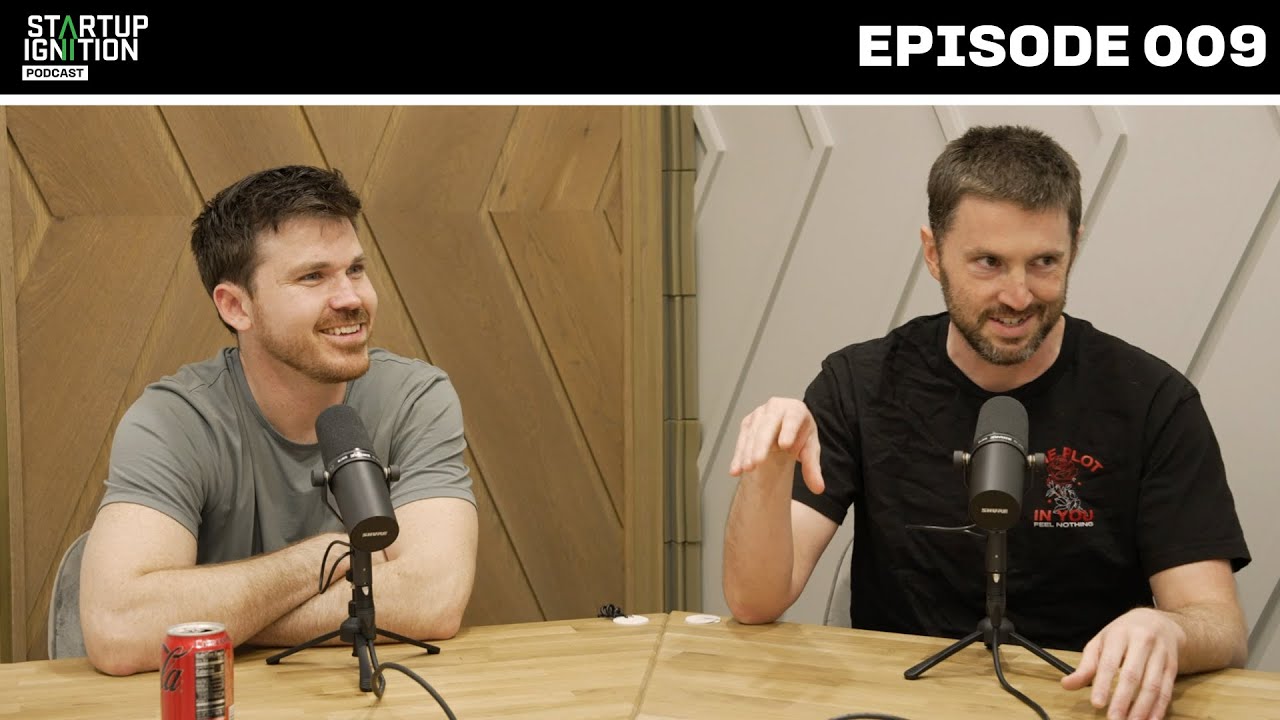
Jared Ward (CEO) and Brendon Beebe (CTO) of Luminous discuss building an e-commerce ERP platform, how AI is changing software development, the dynamics of their founding team partnership, and overcoming the scaling challenges that break most startups.
About Jared Ward & Brendon Beebe
Jared Ward is the CEO and co-founder of Luminous, an e-commerce ERP platform, bringing experience from running DTC brands and leading sourcing at Made-in-China.com. Brendon Beebe is the CTO and co-founder, previously CTO at foreUP where he helped build the golf course management platform through its acquisition by Clubessential Holdings. Luminous raised $2.1M in seed funding.
Connect with Jared →
Key Takeaways
- Luminous is building a modern ERP for e-commerce brands, solving the fragmented inventory and fulfillment problems that plague growing DTC businesses.
- AI is fundamentally changing how small engineering teams can compete with larger players by accelerating development velocity.
- The CEO-CTO founding dynamic works best when both founders have complementary skills and mutual respect.
- Beebe's experience building foreUP through its exit gave him pattern recognition for what works (and what breaks) when scaling SaaS products.
- E-commerce businesses outgrow basic tools like spreadsheets and Shopify apps long before they can afford enterprise ERPs — Luminous fills that gap.
Notable Quotes
"AI gives somebody like me the ability with a high-level overview to just create things. I had a six-hour project I did in 10 minutes."
— Jared Ward
Frequently Asked Questions
What is Luminous?
Luminous is a SaaS-based ERP platform for e-commerce businesses, providing end-to-end visibility from sourcing to selling. It was co-founded by Jared Ward (CEO) and Brendon Beebe (CTO) in 2021 and raised $2.1M in seed funding.
What did Brendon Beebe do before Luminous?
Brendon Beebe was the CTO at foreUP, the golf course management platform that was acquired by Clubessential Holdings. He has a CS degree from BYU and extensive experience in ERP development and web applications.
What is Jared Ward's background?
Jared Ward ran DTC e-commerce brands, led sourcing at Made-in-China.com, and served as CEO of Qualtry before co-founding Luminous. His hands-on supply chain experience drove him to build better software for e-commerce operators.
Full Transcript
Show full transcript
AI gives somebody like me the ability with the high level of overview to just create these things like last weekend I had this idea for a Chrome extension I went home and in two hours I built it with AI and it was just I didn't have to memorize any Chrome syntax I didn't have to do a lot of debugging I I just have to get really good at prompting the AI you told me one time I don't know if you remember we went to part we showed up at the same table at a conference in Park City do you right after AI was hitting the mainstream and you go John I got to tell you this is incredible I think that luminous is going to need half as much of a Dev team as I once thought you remember saying that to me yep I I I think it's still true last week on Friday I had an extra hour or two there's a ticket I needed to be done this is a task it's super basic it is just boring as hell to have to go through and it's just a lot of copy pasting a lot of like replicating code I did it in an hour that would have probably taken like four or five days there would have been typos there would have been issues because it was just the simple repetitive task that I would have if I had a junior developer I would just given it to him to go do and this could just Pump It Out instantly yeah you told me I think at that meeting you go John seriously there was a sixe project I did in like one to three days there was a a 6-h Hour project I did in 10 minutes yeah and that's been going on now for a year or two yeah I don't even recognize I don't even know what it was like before cing really it's gotten into your workflow so much like you can't even go back to how it if you had to go back to pre 2023 having experience with what you've experienced the last couple years it you wouldn't want to do it it'd be so hard to go back um part of this is there's such a discussion online between programmers and like how effective it is and it's such a controversial thing like if you post anything on LinkedIn about AI it's just so many angry people like a TA do do you know that Tyler and I routinely meet companies whose CTO and top one or two Engineers have not even touched AI yeah they don't even know anything you know why that's terrifying because AI is not easy to use like there are so many times I've had to be I sat down a project that would have taken an hour it took me like 3 days using AI because I didn't want to settle for like what I knew I wanted to understand like why is AI failing at this and how can I get better at using it and prompting it so that I don't have to worry about this in the future it's kind of that trough of uh disillusionment where I think most people get into this trough of disillusionment and be like oh just taking me more time debugging but they have to work through it and figure out how can I use AI effectively cuz it is an incredible tool okay welcome back to the startup ignition podcast thanks to those who have been listening and watching I'm Tyler John and and we're your hosts and again we're old news but we got some new news here today we are super excited we have Jared Ward and Brendan BB with luminous a portfolio company of our startup ignition Ventures um uh firm and we are so excited to have our first portfolio company Founders on the you were our first investment from the fund yeah and also we just got to say you're one of our favorite startup teams in the entire state of Utah but uh I have a bio I I'm not sure if you guys saw the BIOS that I sent over so we're going to bio you real quick here and then we'll get into the podcast but Jared Ward is CEO and Brendan is CTO of luminous and uh Jared you have an e-commerce expert background that's kind of where the idea for luminous come we'll dive into that a little bit um but you were previously at qualtry a Utah based e-commerce company um and that then you founded luminous uh and then Brendan has a rich technology background going all the way back I don't know what 10 12 15 years in the Utah EOS we have a rich background with him and uh Brendan is a very experienced in season CTO has built a few startups at this point now and is now diving in at luminous so we're super excited to have both of you here and you guys are the you guys are the reason why you guys you know each other because of us exactly um but before we get into any of that history and fun stories and all the founding of luminous and the uh the startup ignition Ventures investment and that whole Saga let's get into the podcast and we always do an ice breaker I don't know if you guys have watched any of the episodes yet but we always do a fun little game that I use uh AI to come up with and we play a sweet game for like five minutes just to get into the podcast mode and get loose and get ready and get going so if what's cool with you guys we're going to do an icebreaker and here's the one that we have today we're we're going to play a game called invest or p okay and we're all going to put our VC hats on here and we're all either going to invest in pass so you're playing too okay okay so I'm going to say the scenario of a company a potential fake company here and you guys are going to say invest or pass secretly a real company no no well some of them have yes germinated from real scenarios okay so here we go I'm going to give you the business model the product um the revenue models and the traction that they have and you're going to tell me invest or pass so this is kind of a playoff of uh um the dating game uh smash or pass I don't know if you but we're playing investor pass okay so here we go so the first one an AI powered Pro procurement assistant so the business model it's a it's a SAS platform for midsize manufacturers okay the product is an AI assistant that streamlines procurement and analyzing supplier data negoti ating pricing and automating purchase orders the revenue model is an annual SAS subscription and contracts with tiered pricing okay but their traction is zero they have no customers and they have no ARR are you investing or are you passing pass 100% passing pass passing why you out passing what there's no customers you didn't go does do the founders have background and yeah I I didn't do the I didn't do founder background they have zero revenue does any of that matter other than their background yeah so it's just an idea yeah yeah so not investment the one thing I like is that they are attacking workflow and we like I like workflow businesses ones that it's B2B AI procur software but but yeah I I'm not sure but the AI thing is I then I start wondering okay can they be disintermediated you know because it's AI somebody full AI is a real AI it's not specific to a vertical either okay okay here we go next one this one is a virtual reality travel experience okay the business model is direct to Consumer so it's b2c okay it's a BTC app it's a VR platform offering immersive destination experiences okay the revenue model it's a fremium model and then there's inapp purchases so it's a BC app okay in the VR space traction they have 20K monthly active users but they're pre-revenue are you investing or no pass passing on that one too passing on that one too why BTC did you just a bad idea you I don't understand it you went to Ching BT you're like list me three batter yeah yeah and just and just um the one thing too is 20K users I don't know if that means registered users or active users yeah active it was active it was active 20K monthly active users yeah and but what does it it's travel related yeah it's a travel experien VR app yeah and that and the and and the problem with that is is that you only use travel apps when you're traveling and need it it's not something you can be a daily active user of well this is to immerse yourself in VR so many of the VR so many of the VR startups they just totally failed like I've heard of one Kumo space yeah it was like raised like aund million or the100 million whatever it was but like everything's flopped in that space at least everything that I've it's just really hard be to C alone just B to C is hard yeah the the revenue can't be attributed the same B2B B2B it's like recurring it'll come back the BC could be gone tomorrow and sometimes you just need lightning to strike and have to predict where lightning strikes M okay last one ready we're doing three rounds this is the last one let's see if I can let's see if I can pull let me see if I can pull some money out of your guys wallets here okay here we go this is a blockchainbased voting system God okay Enterprise SAS okay for government and corporate clients okay it's a secure blockchain powered digital voting solution for shareholder meetings and local elections okay Revenue model is obviously licensing and implementation fees but also subscription SAS but the traction it's in beta but they have three state government contracts lined up are you investing or are you passing I would look at that one I don't understand the blockchain so I it's just it's SEC the security protocol around for voting makes sense to me I see I think everything a blockchain can do a database can do 100 times better yeah I know a lot of people that feel that way so real quickly as a lesson do a 30- second thing why do you think regular existing Technologies you know that's what people were saying that eventually a blockchain real quickly 30 seconds why blockchain can be replicated by existing other technology because a blockchain is just essentially a public database that anybody can write or read to yeah but it's just way slower so you have to have a reason why it needs to be publicly written to but slowness is there isn't it more secure then or no no a database is going to be way more secure it's going to be locked down it's going to be you can have logs you can have an audit log you can have good security the the magic of for voting where is we a public immutable ledger so that there can't be fraud in an election that's the idea but you think existing database Technologies could do that too yeah we already do we kind of already do it and there's ways where we can verify your vote was in the database and it was logged correctly and counted correctly with without a blockchain yeah I just don't think there's a lot of use cases for a blockchain outside of Bitcoin and transacting cash literally crypto or Finance yeah yeah yeah yeah interesting okay so we're 0 for three uh that was really can I tell you something interesting here's a fascinating interest entrepreneurs so upset why are they not getting money from venture capitalist why aren't investors investing them but fast forward 5 10 years they're successful they now got money they're now exited they're the worst on the they say no to all the other alter it's just so funny when you're on the other side and you have to deploy your Capital you're being very picky it's different right it's so hard well I even even you guys made a ton of money off Route I remember hearing route as an idea I'm like this is so dumb why would anybody invest in it here's the thing though talk about lightning striking but no the the model there that existed was a really good model the the actual Revenue generation model the business model that was there insurance low utilization insur it turns out as we all know in the world insurance is an incredible business insurance is a great business mod if you get enough premium payers and you don't have bad experiences with having to put out money you can make a lot of money in insurance you have to be kind of I feel like as an investor you have to be really optimistic like when I look at ideas I feel like I'm way too critical of everything like I would look at that and be like we could replicate that in a week that's that's why we really break it at least at startup ignition Ventures into into the lean uh startup process like how much how much validation work has gone into this because we do invest so early there's not a lot of financial traction or back history that we can but you're right Brenan at the end of the day a venture investor no matter what the job is trying to shorten the gulf that you have to cross that Chasm but there's always a Quantum Leap of Faith there's a leap of faith always you just don't want the leap of faith to be this wide you want to shrink it down to here well that's also the founder job to drisk or build confidence as much as possible should route have been a VC funded startup it seems like there was just like a period of time where the ca to LTV was incredible and they could have just been like an insanely profitable business CU like literally PE people would pay 1% for shipping insurance and hardly anybody making a claim seems like good cash flow right and the model worked they had the numbers to prove it they had been running it and it was like I can't remember the percentage of people are we happy we took an early exit are we happy we took an early exit yes so so in my defense on that ice breaker game I used grock for the first time so I was leaning in on grock there okay I like Gro okay yeah I actually do too that's I've been using it a lot more over like last two three weeks so yeah all right let's actually get into the questions and the actual agenda that we have for the podcast here I built out a quick agenda and I I wanted to dive kind of maybe into 's background first a little bit here cuz I feel like that's where the story of luminous begins and I don't know if you wanted to start on a different note or but I do want to tell uh there's so much entrepreneurial teachings and principles taught in the experiences of Brendan with us that we want to bring out we could go further further back you want to start with Brandon I feel like that's the right place CU we met what Brandon we've met what 15 years ago 15 years ago or more 2011 yeah I want to kick off and see if you remember the same way I do how's that sound okay so uh the first time I ever heard about you was reading about you getting in trouble at BYU y so I was a professor at BYU read in the daily Universe the student newspaper student threatened with expulsion for hacking BYU website is that true sounds like and so and then as I read about it and I go this sounds like an entrepreneur and I'm running the entrepreneurship center right so I said funny they want to expel them and I want to give them a prize so and then and I were mired in a business that wasn't going well with a offshore Dev team yep and so I said Tyler I actually want to go to lunch with this kid so we invited you to costaa and that's where we first met how how old was he at the time you were a sophomore at BYU yeah 201 and what were you majoring in computer science you were CS major but you were self-taught you said you weren't learning that much in the Cs major compared to being how self-taught you were is that right um the I think you learned different things like I I think a computer science degree is incredibly important because it teaches you different things but you have to be going to you have to be in a work environment at the same time so you can apply because you can't just go to if you want to be in a if you want to actually go out into the business world and make a difference as an engineer you actually have you can't just understand Theory you got to have practical skills exactly yeah and and what I I felt is that you had self taught yourself practical skills not just the theory of taking classes yeah I worked probably 30 hours a week every time through school so there was I I teach the well I guess teach sometimes a class that in the Cs program at BYU it's CS 405 creating new ventures in the Cs program that's a great class it's an amazing class it's an awesome class every CS major and program I feel like should have a Crea new Ventures Pro program yeah but I do feel like um it's really going over a lot of the Cs students heads because they aren't implementing anything they're not doing anything they're not they're not actually outside of the classes actually working or actually actively coding or building in a startup environment so I do think that's pretty so let's talk about where we were at with Bren so where we were at with you okay for that conversation was terrifying by the way cu the one that we had yeah because John is like so if you ever met him the first time he's so official he'll send you like an email being like everything I meet our meeting is not investor advice and blah blah blah blah blah you have to book it through bite but but but anyway uh we we hit it off really well at meeting and we're the situation we were in which was interest so I just wanted to congratulate you award you as a student entrepreneur for what you did by the way what you did that to get into trouble tell them what you did to get in trouble so I've essentially monopolized the BYU registration system there was no weight list this they came out with the weight list because of it but it was essentially first come first serve you'd log on to the website and keep refreshing until opening was there and so I just ran a script off my desktop computer at home it hosted a website that people could go to and register for classes and then on repeat it would just try every so often to get you into that class so it was like just constantly pinging kind of a like sniping sniping sniping for eBay sniping for like that okay and so and so you were pinging the BYU servers all the time yeah but you have to remember it was off my desktop computer because I was didn't have money so it was just running off my desktop computer if I shut down my computer the website went down the office of Information Technology BYU noticed an unusual amount of pings from a certain IP address right that's how they caught you yeah a third of the student body was what business were you running tell about the business oh I was charging I think it was like two grand and you could be at the front of the line for registration and any class yes yeah so I would have lines of like 3 or 400 students and parents coming their uh son was coming home from their mission and they'd give me some money so they could be at the front of the line yeah yeah but how much money did you make I don't remember it was there's a period of like 3 to 6 months where I was actually making money and then it got shut down really quick got in TR so he got in trouble so then so that's so fascinating and that's interesting so you so then at this lunch though then we told you that we had just spent $175,000 for 18 months with four Indian coders right and uh weren't very happy because it was probably 25 to 50% done and kind of crappy MH and so that's where we were at and so then I came up and here's what I remember I said well Brendan this has been a great lunch got idea would you be interested in working on a project of ours here's the project and and do that and then and then and uh I said well so and then you said You' be interested and I said how much would you charge and you said would $15 an hour be too much that's what you said and then I I don't know if you remember this and I said I'm not going to pay you $15 an hour I'm GNA pay you 25 an hour okay because 60 days from now people are going to know who you are because you're working with us and they're going to say I'm ripping you off and they're going to also try to steal you yeah so what happened was we cut the deal and then you and Tyler sat down for 3 weeks kind of side by side do you remember those coding nights when I come over to your house and in three weeks Tyler telling you what we wanted and you coding by yourself finished the entire thing and it was beautiful and worked the way it was so I I just want to say to our listeners there's a principle there and viewers this is really important and it's it's a cardinal principle with us and I'm just telling you right here right now your a startup software startup in the United States of America going offshore or to a Dev shop is not going to lead to a good outcome you need to have a co-founder engineer and work side by side in the same office and get it done fast and get it done right and that's what you did and so that was such a good experience and what happened there then we started placing you in our investment company the companies we invested in and so I that's where you two then became friends and could tell more of the story I don't know match yeah I don't know if you know this but like literally those handful of weeks that we were coding together is when I learned the majority of my technology really oh yeah like I learned cuz he was the designer he everything he's got great design uxui skills yeah so I would I would I would do a lot of frontend stuff but like just watching you code over your shoulder like that literally like propelled my technological skills like oh so much it was awesome and so then I invested in a genetics technology company Y and uh Tyler got a job in bis Dev and then you got one of the positions in the just a developer in developer do you remember that yeah I remember bringing you in cuz I was the CTO that they had placed there I was like this guy it's so it's so hard to work with him and he's just like he just not that he didn't know what he was doing but he just wasn't up to the par that I was used to with Brendan right so I'm like Brendan you just need to come to this startup and basically weasle your way in I remember as an investor you came in in like the third position in the dev team think and then what happened is you started out performing the CTO in the number the second position one and that CTO didn't like it that you were kind of better than him is that how you remember it or not he's not he's not gonna toot his own I mean I I don't want to call I no this is another okay VI here listen here's a here's a lesson again it's very common so if you're the business guy in a startup and you got a CTO that doesn't welcome Superior talent coming in the company under him that's a red that's a problem yeah I would also say I'm very hard to work with as like reporting into somebody okay because I'm very opinionated and I like things done my way but but what how should a CTO let's say you got somebody in luminous that way that was working under you right now too that kind of it's not arguing but the friction of that actually produces better products and and what happened is this CTO my understanding my my memory is that he was kind of squelching you and holding you down and and and and not taking advantage for the benefit of the company of your talent and then that left it open to the next part of your story is that another company in which I was invested in found out about you because of me bragging about you and they tried to poach you from that other company is that correct and then invited me to a Mexican restaurant said John you've been mentoring me all the way just let you know two of your companies one I forgot about that you remember that now about that yeah and you said John I need some advice here because I met one of your companies you had me go to that you're invested in but another company you're invested in is wanting to steal me away and what did I tell you I was honest with you wasn't I what did you say I don't remember you you I probably like go ahead yeah I I remember saying this thing say well Brandon I'm going to treat you like my if you were one of my sons remember I said that I said so here's the deal the CEO of the company you're at now shows up about half the time and is not really engaged M the founders at this other company are one of my favorite teams I've ever invested in and they're all in I do remember that remember that what do you think that advice I'm going to give you is then you said well go to the other company then and I said that's the best advice and then that's what you did yeah worked out what in what in happening with the original company that you left from it actually got sold to it got acquired it got acquired it got acquired but here's another lesson there's so many lessons come up you're an Venture an angel investor here's what happen so it got acquired by a company and I'm not going to say the name of the company or any of these companies I know them but after it got acquired we got no information as investors in the first company and never ever got any reports never got to see a c combined cap table and to this day I've made probably five attempts to find out what my Holdings are what things are going on never got any information so you just oh wow but I do think that the whole situation never mounted to much so I didn't chase anymore um it still exists though the acquired companies still exist today well I think what I learned at so we would have some infantes piece of it what I learned at matchmate which was so like probably the education of doing matchmate with you guys was the most helpful of my career was the whole concept of how do because we had to like recap the cap table after a while because I you guys had to bring me in as a co-founder so we had to go through that whole process and it was kind of trivial because we had no Revenue so it was like all made up anyways and that's when you first realized like oh cap table is just a spreadsheet with ownership percentage and then we had to like after we decided it wasn't going to work out we had gotten a loan from somebody and so that startup just moved 100% to the person that had lent us the money and so it understanding and being a part of just the basics of that that was incredible everybody should go they should somebody should do a class on cap Tes cuz I feel like I've gone through start well I know you startup ignition but yeah it's so but just a CL just a class on that here's what that's so interesting when I got to BYU as a professor I could not believe at this award-winning top business school nobody taught cap tables I found that out so I started teaching cap tables and now it's taught a lot but it needs to be I would meet master of accounting students that learn about all the financial statements of company a cap go they go what's a cap table I said you are a masters of accounting student and I'll tell the story Adam Edmonds he's very prominent now in the state of Utah he's right now currently CEO of inada and when I first met him and he kind of calls me his entrepreneur father I go when I first met him I go okay he goes are you the guy that helps people I'm in a pickle he had some problems with what he was doing and I said okay let's go to this conference room first thing I need to see show me your cap table and he goes what's a cap he goes what's a cap table and I said you are a masters of accounting student you don't know what a cap table is that's when I discovered we got to inject more cap table like you're saying when I went to in 2019 this is just good stories I went to speak at the lean starup conference by Eric Reese in San Francisco and there was a lot of Corporations there as well as entrepreneurs and I did a 90-minute class on cap tables standing room only 400 people and people wrote in said it was the best presentation of the conference because it was the one that gave him the most utility 100% really interesting and so you make a great point so the advice to the listeners and viewers is learn about cap tables it's just a spreadsheet but how important is that spreadsheet it's so important when you're going out to raise money that you actually understood it that was proba what you don't remember about schedule snatcher is you were like hey I'm going to help you with this you send me a cap table a schedule snatcher yeah that's awesome and you're like who owns part of it I'm like I side this paper with somebody who's been helping me on the business side he has like 40% he's like what's in writing and you're I'm like I have no clue what you're talking about oh my God and you gave up 40% oh gosh you just you don't know anything just kind of make you it up yeah that's a good story okay so going on with Brendan so then you move to the new company tell about that experience and I'll tell you my side because it's very important part of I teach about this a l we got to go faster okay go faster tell to be like a four parter all right so uh four they hired me as a contractor my methodology when I go in as a contractor is I work twice as much as I bill and so now they think I'm like a superum yeah so I worked my butt off for two months okay so this is for up for up Golf software management y okay um after the two months they're like they're Blown Away they said hey we need to bring you in I talked with you came into this four up um I told him I need Equity like that was really important to me more so than a salary incredible thing too just for everybody learned this lesson so there were three founders there two business guys and a CTO yeah the CTO himself an incredible guy said this company's outgrown my skill and we need somebody with more skill that is an incredible move by that guy yeah and he's sh shout shout out right Hopkins Joel Hopkins is amazing that he does that and look at what Joel Hopkins by being the founding CTO admitting that he needed somebody with more horsepower power like you to come in he became a multi- multimillionaire yeah that was my biggest concern coming in too was coming into a role where you're replacing somebody else yeah a founding CTO is that intimidating yeah well how many bad stories do you read of the but that's a credit to Joel Hopkins oh complet 100% he just can I ask you as a question here how do you vet out a good startup because forup forup was insanely successful how did you guys know that it was founder fit was high fit okay so one of the things we start you will increase chances of a success as founder fit you have incredible founder fit for what we're going to talk about in a second right founder fits a lot if you don't have founder fit everything else has to be firing at such a high level but if you got founder fit and passion from that founder fit you can get through a lot of problems well well we were actually arguing on the ride over here about the type of Founders that startup ignition Ventures invest into and I think the attributes that we look for in those Founders are I think Founders need to be so close to the problem that they have this really good at least foundational part of the solution in their mind and then they just go and validate the only guesses that they have of that solution and then when they prove okay I think I know exactly what we need to build and then they also have to keep it very frugally built like I think good Founders can take do a lot with very little let me ask you does Evan tashima eat sleep and drink golf well that I was going to ask you is like how close did you see them to the problem cuz I see Evan plays a lot of golf but as far as like Golf Course Evan Evan could when I met Evan and he wanted to start a golf compan he just wanted to start something in golf okay and he had his first idea the idea needed to Pivot seven times to the winning business model which is an important part of startup well I I don't think Evan was close to the problem as much as he was passionate about the problem right so like he wanted to be in the golf industry and so he was willing to go and talk to 200 golf coures he knew Golf and he knew that they had these he had access to that validation process right Evan freaking stubborn at least it seems like come blanker high water he was going to make something in golf work well they pivoted like seven times before they actually seven times and he'll tell you we tell his story a lot okay so anyway you you went to there you went to there to move it along Brendan here's what happened you went to fora and that happened and then they brought you on full-time and we complimented Joel Hopkins but also I want you to know what happened happened to me 30 days after you took the full-time position I ran in to the founders and I said how's it going and they go John Brandon in 30 days has completely turned around our company in the tech Arena he's incredible and we are on such a good J Jared's laughing Jared is laughing right now why you laughing Jared they it was and I it's just an and that's that's what you need at a startup is somebody who the business guys feel that way about and their Tech Guy especially in in a highly technical Pro so for was a point of sale Erp yeah luminous is highly technical I I I just want to say to people you have to have a tech co-founder and you have to have how much did we preach that to you you guys are the reason why this is and we would have failed with without Brendon yeah so hun you have to have a tech if you're building a complex system you have to have one I don't care how smart or Semite technical you are right now Brendan versus offshore team or Dev shop Brendan of course what I mean would you even have existed if you tried to do it with a Dev shop or offshore well I if there's some Nuance there like cuz as without having without having the Quasi co-founder or co-founder no 100% no okay that's the okay Brendon keep tell the rest of your I won't interrupt you more tell the rest of your story well man I have so much to say uh the part you don't know it it was probably about June or July I was leaving on vacation i' already planned one I was going to be gone for like two or three weeks I got an email from Joel rhaegar and it was like Brendon you're letting us stand on a CTO here's all these reasons you're not performing really well you need to own these problems that was probably the best email I ever got um because I think up until that point I was a good developer and it was what makes a good CTO I don't think I had really understood in the first month it's easy you implement jira and some process like people like oh Magic but that email after four or five months was like Bron you're the CTO you have to own these problems I can't take care of this anymore you need to figure out why these keep happening and what was it like managerial was it like leadership there are three main bugs it was hey we have floating payments double charges and invoices are keep getting replicated yeah like it's crazy I remember that yeah but I came back from my vacation I was like okay as the CTO my most important responsibility is to take care of the heart problems and nobody else is going to take care of it I need to solve those need own it exactly 100% ownership was kind of the summary of that completely yeah and so how did it go at for it um and then it went really well from the outside it looks oh awesome you guys worked for seven years and got acquired it was incredibly slow growth haded $800,000 of AR every year for like five years which is depressingly slow yeah but the slow growth also meant you guys kept a ton of equity yes we had zero dilution we had zero rounds of funding after the initial investment which was amazing how was that first investor did really well um yeah so then when we got acquired all the employees that had stock did really really well well so now at luminous and I'm jumping ahead in the timeline a little bit here so we can go backwards now having raised the round that you guys just raised a multi-million dollar round at a pretty high valuation is that public now is that public I haven't announced it but I I could if I wanted to it's okay fresh news um but anyway crazy but anyways the difference there like what what are you feeling now versus what you felt back at for up at this really slow turning not turning sorry slow building like Machine versus what luminous is when I came into luminous it was right after they had raised like $3 million or something and I thought Jared and the other person that was there at the time they had this idea of like let's go hire the very best let's spend a ton of money and you know I didn't have a lot of experience I was like maybe we did things wrong at 4up maybe we could have gone faster at 4up and all that happened is we spent a lot of money really fast and didn't get anywhere yeah and it wasn't until I was like no I'm going back to what I know we pulled back spending at luminous so our road map our Runway was like two or three years yeah we had just the fewest amount of developers we could sustain on and until we could figure out what we were trying to so you kind of went back to the basics of forum anyways remember Lean Startup principles which we all believe in is feels unsexy and slow at first because you got to remember it's science the science of Entrepreneurship if you're a scientist trying to develop something the classic science story it's months and years of boring testing and work in a lab and then you announce this incredible breakthrough and great things right that's exactly what startups are is there are an experiment lab your first product is not the widget you're trying to make it's the first prod the first uh product is a viable business model when you figure out the viable business model through this experimentation then you announce we've got a great business model let's go right and that and that's what that's why that's why you felt that way but the slowness at first feels slow only because you're experimenting and figuring things out yeah you're it's not the time to press on the accelerator yet or you we suffered from premature scaling at I mean I feel like every startup suffers from it to some degree but we 100% did so luminus was just me in an Outsource team I was self-funding it I was CEO of qual tre which is like a modern Omni Channel brand it was local here yeah should we are we segue now seg jar let's give give a little bit how you got into entreprene entrepreneurship and how when we found you that you're this young guy that you went in to help a company with a 100 people and you helped them so much they made you the CEO right tell that story a little bit so my background I I dropped off of college um just like every other entrepreneur so I I was um I spoke I I served a mission in Hong Kong so I spoke Chinese cese and Mandarin and I had no clue what I was supposed to do with my career all I saw was like I was going to school every day taking like Chinese classes like not learning anything and then I saw like all of my colleagues they were going to the supply champ program and they were getting out making like $52,000 at Lenovo and hating their life yeah so one day I was just like I'm out and I I just bounced and I started I started what I knew at the time which was I just started an e-commerce shop so it was a Etsy shop in my unfinished basement I just built I figured out how to build baby gates and like hand bin Barn Door Hardware and I sold on Etsy that was my job for a couple years so for the like the first part of my career it was e-commerce and supply chain operations that's that's what it was So eventually I find I found my way back in Utah in about I don't know like 2017 2018 I worked for a Chinese company M china.com um and I just helped a bunch of e-commerce companies in the area do supply chain operations so I would I would Source factories I would help them get better costs I'd streamline that process and I'd get products in for them um eventually um I went to a company called qualtry so qualtry was one of my customers that was helping Source Products I was helping them save a bunch of money on on their cutting boards cuz they did a a m they purchased massive amounts of cutting boards um so I came to them knowing that I wanted to build luminous because I had already saw the Gap in the market running my own e-commerce stores and doing supply chain for for all these e-commerce companies in Utah and so I already knew I was okay there's a gap here I don't know exactly what it is but I I went to qual Tre and my proposition was just like just bring me on full-time I'll be your director of supply chain I'm going to build this product you can use it for free um bring me I'll save you a ton of money like way more than my salary so they bring me on um I I crush it it's similar to how you you you talk about like you just Implement jira and you just do a protocol and you're a hero it's like same thing it's like you just Implement basic supply chain process in then IMS Inventory management system and all like oh wow you're magic so yeah at that time what I didn't plan for I went to qual Tre um implemented I started building luminous and it was it was the best because I already had the e-commerce experience and I was at the company where oh my God it was it was perfect like I could just test deploy it test it deploy test every day we were doing something um it was it was amazing so the first product I built was an inventory management system purchase order man purchase order system um so we just managed the purchasing and the sourcing and the receiving of goods that's where luminous started so things were going really well um at qualy the CEO left and what I didn't plan for was they the board of directors picked me as the CEO and and you were just a consultant no no I was I you were an employee join employee I was an employee I came on I was building luminous I told them I'm building luminous you guys get to use it for free I'm going to Source a bunches anyways um the CEO leaves and they pick me to be CEO and what I told I I what I told them I was like yes that's fine but I gave them you'd be proud of me I I gave them I gave them a letter they had to sign that like the IP of luminous is yours is mine you can't go after it yes and so they signed that and I said okay all right let's do this so I was CEO of a they were between they hover between $15 and $20 million in Revenue Omni Channel super complex they did Manufacturing in house it was just like the perfect testing ground and yeah I built luminus for like a year and a half and I just self-funded it um once I felt like it got to a certain point then I sold five customers there were five beta customers for so long qual was qualtry paying you were you given it to them for free while you were I I for free 100% for eventually they paid me before eventually they paid but they but then you sold four or five other paying customers yes in just in the general vicinity I just like networked around and like mf9 they're still a customer actually they're just down the road um so sold five customers then there were two people in my Orbit at that time that became and this starts the premature scaling issue which this is a warning for everybody um and cap table and so many issues I wish I had gone the startup ignition um the boot camp so there were two people in my Orbit at that time fine people but uh actually there multiple people in my Orbit at the time and so I had sold five customers I had a core product everybody was paying we were to it was self-funded we were at like 150k AR we were profitable at that point of of course it was just me and like outsourced Dev team so one of the one one of these people he eventually came my became my co-founder he helped me fundraise which that was good that was awesome um there was somebody else who was an operations person just like me it turns out it was a little bit redundant um good guy but that's a big lesson founding teams need to be diverse you don't want clones of each other yes which that's what yeah that was a bit redundant so we had three non-technical people two people that weren't involved in the development of the product at that time though why why did you feel like you needed to invite them into the the hen house I like why did you always I similar to Bren like I always I overg give yeah but you also you also scalable Venture cannot be done by a lone wolf entrepreneur you need so you recognized the need for team right but I was just mistaken on what was actually you trained bottom line is just like you learn new things all younger people that want to get an entrepreneurship are going to be ignorant that's not a bad word ignorant means you haven't received knowledge yet and you just hadn't received the knowledge but once you get these you guys are incredibly intelligent people both of you once you've gotten some of these knowledge and start understanding patterns and how this all works you guys have been incredible which is we wouldn't have we we would not be here if it weren't for us I'm so glad we fundraised because we we got John richers as an advisor which eventually led to like a lot I mean obviously you didn't pull any strings right but like your advice led to a lot of things that helped us get to where we are so after bring you three co-founders this is getting close to when we met you then yeah how did that happen how did how did you I met you through Mike Snow you were actually you came through M just yeah so I you you came from my network that was our lunch um but those two co-founders we we we got together we sort of like formed a team fundraised um and we yeah we ended up raising about 2 point it was like 2 between 2.1 and $2.7 million it was a preed round we 100% did premature scaling like it didn't need it should have just kept being me and I needed to find a technical co-founder but things got a little bit out of hand for about a year and we were able to reel it back in you got to tell them what year this was this was 2021 20 yes 2021 and that was the FR so you guys got caught up in that so we had $2.7 million and I have I have the two co-founders who it's just kind of similar to what Brendan's saying like well I guess we need to spin we need to have burn because we got to grow and it's and I just I was just kind of like the quiet person in the corner just Workhorse I was doing everything and I I don't know do you know we do now like when I remember back when we met you and became part of we kind of kicked off that investment round right for you but what we should have done was had you three all come to start a ignition sooner than we even had you come we had you come later right now when we meet companies it's very it turns out really well while we're doing due diligence and thinking about the investment that they come to the boot camp yeah is it kind of like a mini YC yeah in a lot of ways but but but it's more it you know YC is trying to get people to get a product so they can do a demod Doan pitch to investors we're saying practical yeah we're a little bit more practical and saying you got to figure business model out having a product without a business model is not fun yeah yeah how how so I would put the first like the first year and a half of luminous post fundraising is learning all these mistakes and luckily I had an advisor and multiple the problem is that you could have done that without the money most most likely right and so what happened was then you did come though and start getting much more advice and realizing how valuable theice was well so first off they were like you guys did stop us and You Shook Me and you're like you you guys need a CTO like yeah you're dumb like if you think you can do this like none of you are technical you need a CTO so that's when you introduced us yes and then we had a lunch and the funny thing is we gave you the the golden you know uh CTO in the barn right we said we're going to give luminus the best we perect it was perfect timing it was it such perfect timing for had just exit yeah everybody PE was come can I how much can I talk PE had come in to four up everybody was hating their life after be had come in Brendan was kind of like oh my God like he he was ready for the next thing and luckily so many lessons we could talk about on that right oh my gosh but Bas basically like there there perfect timing perfect timing it'll be one of those things that we look back on it's like wow that was that was incredible but we handpicked we you said we got to find you a qua I call it quasi Tech co-founder because he wasn't coming in with you three co-founders you know you're the primary founder and then you had two co-founders and so I said okay we got so I use that word quas CTO co-founder we got to find you that and then we just decided and we said Tyler do you think we should really is Jared worthy of well I remember I remember talking to you and I was a little bit nervous cuz I was like oh I don't know if he wants to leave the forup situation yet and then you were super open to it I you sold them pretty hard yeah but I was really excited about what you guys had but also I'm that's part of the this um perfect storm that you're talking about one of the storms coming in that made it a combination of perfect storms was that the buyer of forup and I'm not going to name who it is made massive mistakes in that acquisition postacquisition for one of the greatest companies in Utah and if you want to ruin a good company postacquisition they were doing it yeah yeah it and then we'll just leave it at that it's sad right yeah so you guys said so luminous and what's what's so great about Brennan coming over to luminous is because it's it's kind of forup was this segment it's like very focused it's a point of sale SL like er erish um it's luminous is the same concept just with massive Tam like so Brendan it I think the reason why it worked out was because Brendan's he's highly confident that okay I if I'm paired with the right founder we can get this to next it's just a matter of like a if I Ming Brendan and treating him like a son I say Brendan you got in late on forup and got a nice little percentage and it made you great money that helped change your life right right but if you want to have money where you're permanently financially independent you have to actually be a co-founder yeah okay and this is your chance to be a co-founder and basically join Evan tashima in the first year right does that make sense and that's what you're well we had that Chad you remember yeah yeah uh you were like I was like how should I use this money how should I invest it you're like you should go all in on yourself and I'm like all right and that's being a Founder yeah so I jumped over my pay cut in like half of what it was at four up yeah cuz you didn't get enough to never have to work again yeah you pretty good you're close but not truly I'm going to go sit on a beach forever exactly okay you had and you've made some great investment by the way I'm really impressed with what you've done and you've taken my advice and expanded it and done great things but you still if you really want to go to the next level you need to be a Founder yeah okay so to to sum it up we fundraised the there was a a year and a half of premature scaling which I you know I thought we need a head of implementation like what's high the best Engineers it just went burn and then we we caught it addressed all those issues dust settled and it's me and Brendan that's that's the team and that's what I needed from the beginning I I needed a a technical co-founder so I mean we just we went back to the for everybody Jared is this a true statement for all the viewers and listeners you would basically say this you could have avoided that year and a half and the squandering of capital and time and the equity on the cap by following lean's startup principles more consistently that's what we ended up doing so the death settled but you would have loved a year and a half ago to know you could have avoided that yeah yes and so we were left there like we took burn down to nothing it was just him and I we were a lot more frugal and it's just like okay what are we doing who are we and we just did that for a year we went to breakfast and restaurants and we helped you think about that right so then how did you get out of that period did customers just start coming we went no we went back to what I was doing at craw tree which is just build iterate talk build iterate talk like and well a big part of it and I feel like a startup is mostly this is like just organizing the chaos like for I think for a while it was like let's bury our hands in our heads in the sand and pretend there's no competition finally we were just like we got we have a spreadsheet it's 200 lines long of the competition yeah well I I will tell you what happened a little bit and academically what happened we wanted to be your only investor but other people heard about you and got excited because we were excited and then they started jumping in and we you wanted to have some more neighbor ad investors too and we introduced you to some and then you started getting too much money and I'm going to be honest with you the nefarious problem of too much money too fast in a startup is before you have figured out your business model if you get too much money the only you can do is prematurely scale yeah because that's going to be what happens and so what people need to remember it's it like let me ask you this question raising over $2 million was it the end of all your problems or did it create problems it created problems yeah it that's what entrepreneurs don't understand and you can fix most of the problems you need to fix to be ready to use money more efficiently without money yeah I want to go back to Brennan's point though here so Brendan he asked a pivotal question during that time when when DUS is settled it's just him and I what are we doing he he asked like a really pivotal question which was he was just like why aren't we just reselling Dynamics 365 so what is that so or or why aren't we just reselling netw Suite or so there's big erps in the market and like every question we'd run into we we' research and there's been a hundred people who have built this these systems a hundred different ways and so that was it was such a hard question we had to swallow our pride but it the answering that question really led us to our why and the success that we're having now so right now say luminous Solutions the problem solution what what is your why and the problem solution tell us no honestly it's modern Commerce there's modern Commerce which is a mix of retail and DC Omni channel right but it's specifically a mix of retail Wholesale direct consu wholesale um retail and then also direct consumer operating that type of brand it gets really complex real fast and you have to do it very lean luminous is purpose-built for modern Commerce the problems that you run into is that what you recognize when you sat down and had that real moment with yourself and said what are we doing what are we building why disc who's your ideal customer profile so all the listeners and viewers can find you more customers who's your ICP so somebody who's hit a a company who's hit product Market fit so typically between 5 and $150 million in Revenue OM they have to be Omni channel so what does that mean it's direct consumer which is Shopify Amazon specialty wholesale and it needs to be greater than 20% of your entire business needs to be gone through wholesale big box retail or EDI that that is the mix and typically a complex purchasing flow what does that mean well do you purchase raw materials that then get sent sh a customer name that just loves you and you're doing great for them one of your's your Marquee a marquee customer you'd love to tell the world about Fathead um do fat they're super wellknown brand wait which one's that one the ones you put theow the blowups on the wall the Stiers decals we're just migrating them off of Nets right now they're yeah greater than 5 million I I can't say the revenue or Oracle net Suite is uh you beat them for this I this ideal customer profile every time and it's so Fathead needed their modern Commerce oh my God they they sell across like 15 different channels a mix of D Toc and Retail yeah and so what what they need Nets Suite becomes this thing that has to intake a bunch of different data translate it and then push it on which net it doesn't do that well luminous does we're we're a much more modern system so we can we can do what netu does for this brand at a third of the cost so is your is your advice to all the founders out there is that you have those hard conversations earlier 100% and realize and determine together what you are doing what you are building what's our real problem solution what is our business model you have to get real like that's what that's what he did so somebody has to be the skeptic that's like comes in and says we're just copying net Suite let's resell it yeah can't be a me too yeah and we had really hard conversations over a course of two plus years yeah of like what are we doing and why are we doing this that's a little bit like I like to say my mentoring and helping is a little bit tough love like I make you address real questions right and and real things we and it's because these patterns and these principles are correct and if you're not following the right patterns and principles you're not going to succeed and your goal is to get to the Finish Line right and be successful so you've got to follow them and it's it's it's great that you guys it's exciting I I have a question for Brandon if I can uh uh J great story so Brandon like moving over here to luminous you love being challenged and overcoming obstacles and doing cool Tech things and you know doing stuff what what's one thing that luminous like you was a challenge and you figured out and solved for Jared um I know it's putting you on spot what's a thought just I'm curious so for me what what was just fun from the get-go is for got to a place where I was no longer building it was more of just like managing people and high level things the switch from going from that to you're the only one building is such is such a big gap but my biggest fear has always been that I'm going to be 40 or 50 and I haven't built anything in 10 to 15 years and I'm falling behind and so be able to come in and be like now I'm on the ground floor and I'm building something again I love and the next thing has been like the realization that we're in a market where everything's already kind of been built and we don't have to recreate the wheel we can look at all the competition and choose the solutions we think has implemented it best for this part and bring it down and implement it exactly like that and it we don't have to like recreate anything it's more of the and it's our eyes are open we're looking around we're just kind of grabbing what you know sounds interesting and and making a system for modern Commerce that's affordable and efficient and works and some of the old dinosaur Legacy products in the market you are you're just beating them you're beating them in the field of competition every day right what's interesting is we've actually come around to sort of the original thesis but it's so much more informed like we we understand everything behind it let's ask another question of Brendan if I can because I think for you we also Tyler and I rely on you a lot of times to filter and give us your opinion on Tech matters so let's ask this question I count May of 2023 is kind of when AI hit the world in the public mainstream and you know it was exciting when I to you the next few months how has AI impacted your role as a true CTO Builder Creator and you're also skeptical you also don't give praise easily to things right I would say that about you right blockchain yeah so so how how a how has AI impacted your ability to do what you do it is incredible one especially when you've been cold in tech for so long you aren't you're just the syntax isn't on your fingertips you have to kind of think about things and how to implement it AI gives somebody like me the ability with the high level of overview to just create these things whether it's a extension for Chrome like last weekend I had this idea for a Chrome extension I went home and in two hours I built it with AI and it was just I didn't have to memorize any Chrome syntax I didn't have to do a lot of debugging I I just have to get really good at prompting the AI the the normal process is looking up that syntax or looking up the way that things are supposed to be put together and AI just does that I'm really good at reading code and modifying code so i' call you a 10x coder you're saying that a 10x coder can employ Ai and have much less need for having a bunch of Junior coders running around you told me one time I don't know if you remember we went to park we showed up at the same table at a conference in Park City do you right after AI was hitting the mainstream and you go John I got to tell you this is incredible I think that luminous is going to need half as much of a Dev team as I once thought is that you remember saying that you remember saying that to me yep I I I think it's still true and I explain that explain that to everybody so last week on Friday I had an extra hour or two there's a ticket I needed to be done this is a task it's super basic it is just boring as hell to have to go through and it's just a lot of copy pasting a lot of like replicating code I did it in an hour that would have probably taken like four or five days there would have been typos there would have been issues because it was just the simple repetitive task that I would have if I had a junior developer I would just given it to him to go do and this could just Pump It Out instantly yeah you told me I think at that meeting you go John seriously there was a six we project I did in like one to three days there was a a 6- Hour project I did in 10 minutes yeah and that's been going on now for a year or two yeah I don't even recognize I don't even know what it was like before c really it's gotten into your workflow so much like you can't even go back to how it if you had to go back to Prem 2023 having experienced what you've experienced the last couple years it you wouldn't want to do it it'd be so hard to go back um so part part of this is there's such a discussion online between programmers and like how effective it is and it's such a controversial thing like if you post anything on LinkedIn about AI it's just so many angry people like a t do do you know that Tyler and I routinely meet companies whose CTO and top one or two Engineers have not even touched AI they don't know anything do you know why that's terrifying because AI is not easy to use like there are so many times I've had to be I sat down a project that would have taken an hour it took me like 3 days using AI because I didn't want to settle for like what I knew I wanted to understand like why is AI failing at this and how can I get better at using it and prompting it so that I don't have to worry about this in the future it's kind of that trough of uh disillusionment where I think most people get into this trough of disillusionment and be like oh just taking me more time debugging but they have to work through it and figure out how can I use AI effectively cuz it is an incredible tool so what I've been explaining to people that's resonating with them lately I just say the simple same say you understand it's the difference between a screwdriver and a power drill to put screws in the wall right that's what it's doing rund day tasks that you would have to do and if you had to do with a hand screwdriver your hand's going to get tired and it's going to take a lot longer versus having a power drill it's not going to be this magical thing that is going to completely do everything for you it's a tool that helps you do what you still need to do but way faster and more accurate well did you see that it's in the what's that um tool called um cursor cursor yeah cursor is like the fastest company to whatever in million 100 million 100 million Revenue in six months or something crazy what is their offering again it's the IDE it's a programming tool for curs it programs for you wow T Tyler built an IOS app like in 10 minutes or something curs yeah and I'm not that technical so no that's what I built the extension with last weekend was with cursor yeah cursor is amazing oh my God yeah there's a ton of AI tool so yeah it's obviously impacting everything and all the way down to the little teams all the way up to the massive companies or at least it should be we're getting pretty close so okay is there anything else we want to talk about or cover before we wrap up the episode is there anything you guys have been itching to talk about or want the viewers I think we're going to have them back in a little while so the bottom line is Luminous Solutions an incredible company this is the founders they're doing incredible and we kind of pre-announced it we know details here that you just closed a major round yep yeah at a highly increased valuation $3 million so we raised about give or $3 million give or take at a $28 million post awesome congratulations yeah that's awesome that's awesome onward and upward um is there anything else you guys want to talk any other lessons that you could we could part the audience with today could be so many what's like the number what's the number one thing if you think about your time since being at luminous like what's the number one tip advice for actual I want to start a software company I'm thinking of doing this what would you tell me I don't even want to frame it like that it's just like what is the number one thing you need the opt optimism of Jared in the founding team you need like the maybe you need the skeptic like me but more importantly you need optimism yeah Jared's like we're going to 3x next year I'm like I don't think so we did we did it so basically in other words you're saying if the glasses it's either half full or half empty right that's you need somebody on the team who's G who's just because starting a startup sucks even the second time the third time it probably always sucks yeah it's hard yeah but but uh are you guys still having fun are you enjoying it oh it's yeah it's the best that you know what I just uh read Alex bean from divy um just posted a comment and I can't remember what he was commented on on LinkedIn and I read it and he said something he goes he goes yeah it's more fun climbing up the hill than getting to the other side oh and it's it's so interesting isn't it so many people get dismayed like getting to the summit and being on the other side where you've got money from an exit and stuff is not nearly as fun as actually climbing up the hill yeah it's really fascinating isn't it the years at four up where we were struggling and growing slow you look back and it is the best years of my life oh yeah is that interesting you get to the top and it is the most least fing part of your everything okay all right well we're going to shut it down wrap us up Tyler okay well thank you guys for coming on we really appreciate it check him out check out luminus we're startup ignition we're going to wrap things up we're literally getting pushed out of the room right now subscribe follow join join luminous.com yeah subscribe follow leave a comment we we love to chat to everybody thank you so much we're going to sign off Rock
Listen & Subscribe
New episodes drop weekly. Subscribe so you don't miss the next conversation.